
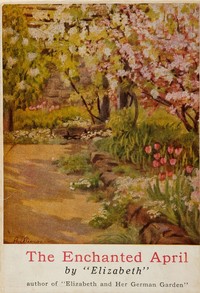
The Enchanted April
Written by Elizabeth Von Arnim
Chaptra reads alongside you — AI insights, chapter breakdowns and reader discussions for every book. Join free
About this book
Read it with a club
Chaptra's love and romance clubs — small groups reading the same books and talking as they go.


Enemies to Lovers Tribunal
Love and romance
- 4 members
- 4 discussions
- Active Sep 11
One trope, examined to destruction. We rank them, we argue, and we throw out the ones that are really just "he was rude once at a party". This is a Chaptra house club — set up and moderated by us to get the conversation going. Open to everyone; jump in anywhere.
Read The Enchanted April alongside people who are reading it too.
Also here: Hopeless Romantics Anonymous
Chaptra Prime — paid clubs, every club feature, and unlimited reading support, for $5 a month or $60 once.
See PrimeReading guide
Themes, characters and key ideas in The Enchanted April, written by Chaptra AI.
- about 8 hours
- intermediate
- uplifting
- humorous
- transformative
Four discontented Englishwomen, Mrs. Wilkins, Mrs. Arbuthnot, Lady Caroline Dester, and Mrs. Fisher, escape their mundane lives and the dreary London weather by impulsively renting a medieval Italian castle for April. Initially strangers with vastly different temperaments and expectations, they navigate personal clashes and quiet desperation against the backdrop of San Salvatore's breathtaking beauty. The rejuvenating power of the Italian sunshine, fragrant gardens, and serene atmosphere slowly peels away their inhibitions and societal masks, leading to profound self-discovery and unexpected transformations. Through newfound friendships and surprising reconciliations, the women ultimately find renewed joy, purpose, and a deeper understanding of themselves and their relationships, proving the enchanting power of a change of scenery and perspective.
“To those who appreciate warmth and good food.”
Key themes
- Transformation and Self-Discovery
- The central theme of the novel, exploring how a change of environment and freedom from daily routines can lead to profound personal growth and the rediscovery of one's true self. Each woman sheds societal expectations and internal inhibitions to find greater happiness and authenticity.
- The Liberating Power of Nature and Beauty
- The novel portrays the Italian landscape, particularly the sunshine, flowers, and scenic views of San Salvatore, as a powerful force for healing and transformation. It suggests that immersing oneself in natural beauty can cleanse the spirit and open the heart.
- Marriage and Societal Expectations
- The novel subtly critiques the confining nature of early 20th-century marriages and the societal roles expected of women. It explores themes of marital unhappiness, unfulfilled desires, and the potential for rekindling love through mutual respect and individual growth.
Worth discussing
How does the setting of San Salvatore function as more than just a backdrop? Is it a character itself, or a catalyst for change?
Chapter-by-chapter breakdowns, character arcs and the full thematic analysis come with a free account.
Discussions
No one has started one yet
Questions this book opens up
No discussions yet
Be the first to start a discussion about this book!
Sign up to start the discussionReviews
No reviews yet
Be the first to review this book!