
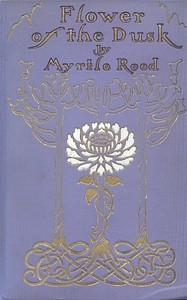
Flower of the Dusk
Written by Myrtle Reed
Chaptra reads alongside you — AI insights, chapter breakdowns and reader discussions for every book. Join free
About this book
Reading guide
Themes, characters and key ideas in Flower of the Dusk, written by Chaptra AI.
- about 8 hours
- intermediate
- melancholy
- tender
- hopeful
Myrtle Reed's "Flower of the Dusk" is an early 20th-century novel delving into the lives of the blind musician Ambrose North and his devoted daughter, Barbara, who grapples with her own unnamed physical challenges. The narrative beautifully explores the intricate dynamics of love, loss, and the unyielding strength of family bonds amidst quiet struggles and concealed poverty. From its poignant opening on a cliff overlooking a sunset, the story establishes a world where characters cling to hope while confronting profound despair, particularly in the shadow of the late Constance, Ambrose's wife and Barbara's mother. It is a tender portrayal of resilience, creativity, and the enduring human spirit in the face of adversity, all while maintaining a delicate balance between outward composure and inner turmoil.
“"The dusk, he thought, was not an ending, but a gentle unveiling of the stars, much like memory itself."”
Key themes
- Love and Devotion
- The enduring and selfless love between father and daughter, Ambrose and Barbara, forms the emotional core of the novel. This theme explores how love can transcend physical limitations, grief, and poverty, acting as a powerful force for resilience and hope. It also encompasses the quiet devotion of Aunt Miriam, highlighting the various forms familial love can take.
- Loss and Grief
- The novel deeply explores the lingering effects of loss, particularly Ambrose's grief over his wife, Constance. It delves into how individuals cope with profound sorrow, how memory shapes their present, and the long shadow cast by death over a family's life. The narrative examines both the active process of mourning and the quiet, persistent ache of remembrance.
- Resilience and Dignity in Adversity
- This theme highlights the human capacity to endure and find strength in the face of significant challenges, including physical disabilities and poverty. The characters maintain a 'semblance of normality' despite their struggles, emphasizing their quiet dignity and refusal to be defined solely by their hardships. It's a testament to the inner strength that allows them to find moments of happiness amidst despair.
Worth discussing
How does the novel use the natural setting, particularly the sunset, to reflect the characters' inner emotional states?
Chapter-by-chapter breakdowns, character arcs and the full thematic analysis come with a free account.
Discussions
No one has started one yet
Questions this book opens up
No discussions yet
Be the first to start a discussion about this book!
Sign up to start the discussionReviews
No reviews yet
Be the first to review this book!