
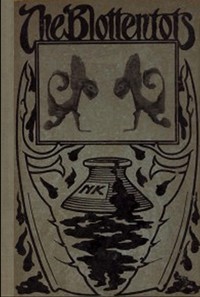
Blottentots, and How to Make Them
Written by John Prosper Carmel
Chaptra reads alongside you — AI insights, chapter breakdowns and reader discussions for every book. Join free
About this book
Reading guide
Themes, characters and key ideas in Blottentots, and How to Make Them, written by Chaptra AI.
- about 8 hours
- beginner
- whimsical
- imaginative
- playful
John Prosper Carmel's "Blottentots, and How to Make Them" is a charming early 20th-century children's poetry book that introduces young readers to the whimsical world of Blottentots—fantastical creatures brought to life from simple ink blots. Through playful verses and lively illustrations, the book serves as both entertainment and an interactive guide, encouraging children to embrace their creativity and experiment with ink and paper to create their own unique characters. It combines the joy of reading with the hands-on experience of art-making, fostering imagination and demonstrating that beauty and wonder can emerge from spontaneity and play. Carmel's work celebrates the boundless potential of a child's mind to transform abstract shapes into vibrant, quirky beings, making art accessible and fun.
“From a simple ink-blot, queer and grand, a Blottentot springs to hand!”
Key themes
- Creativity and Imagination
- This is the core theme of the book, which actively encourages young readers to engage their imagination to transform simple ink blots into fantastical characters. It champions the idea that creativity is not limited by skill but by willingness to play and envision.
- Art as Play and Spontaneity
- The book emphasizes that art does not need to be serious or planned; it can emerge from accidental forms and playful experimentation. It breaks down barriers to artistic engagement by presenting creation as an enjoyable, spontaneous activity accessible to everyone.
- Transformation and Potential
- This theme explores the idea that ordinary or abstract forms (like an ink blot) hold immense potential for transformation into something extraordinary and meaningful through the lens of imagination. It highlights the power of perception to give life and character to the inanimate.
Worth discussing
How does 'Blottentots' encourage children to be creative? Can adults learn from its approach?
Chapter-by-chapter breakdowns, character arcs and the full thematic analysis come with a free account.
Discussions
No one has started one yet
Questions this book opens up
No discussions yet
Be the first to start a discussion about this book!
Sign up to start the discussionReviews
No reviews yet
Be the first to review this book!