
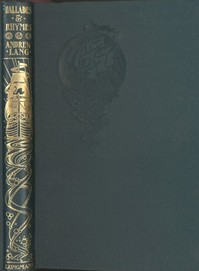
Ballades & Rhymes from Ballades in Blue China and Rhymes a la Mode
Written by Andrew Lang
Chaptra reads alongside you — AI insights, chapter breakdowns and reader discussions for every book. Join free
About this book
Read it with a club
Chaptra's poetry and plays clubs — small groups reading the same books and talking as they go.


Shakespeare Out Loud
Poetry and plays
- 4 members
- 4 discussions
- Active Sep 11
Plays are scripts, not novels. We read them aloud, in parts, and it changes everything. This is a Chaptra house club — set up and moderated by us to get the conversation going. Open to everyone; jump in anywhere.
Read Ballades & Rhymes from Ballades in Blue China and Rhymes a la Mode alongside people who are reading it too.
Chaptra Prime — paid clubs, every club feature, and unlimited reading support, for $5 a month or $60 once.
See PrimeReading guide
Themes, characters and key ideas in Ballades & Rhymes from Ballades in Blue China and Rhymes a la Mode, written by Chaptra AI.
- about 6 hours
- intermediate
- reflective
- whimsical
- melancholy
Andrew Lang's "Ballades & Rhymes" is a delightful collection drawn from "Ballades in Blue China" and "Rhymes à la Mode," showcasing the poet's mastery of lyrical forms, particularly the ballade. Published in the early 20th century, it offers a varied exploration of human experience, traversing themes of nature's beauty, the nuances of love, the pursuit of wisdom, and the melancholic passage of time. Lang's work is characterized by its elegant language, precise meter, and a unique blend of scholarly appreciation for literary tradition with a light-hearted, often whimsical, tone. The collection serves as both an homage to poetic forms and a profound yet playful meditation on life's enduring questions, inviting readers to find solace and joy within its carefully crafted verses.
“The Ballade's a dainty troop, I trow, / A fragile, happy, dancing band;”
Key themes
- Nostalgia, Memory, and the Passage of Time
- Lang frequently delves into the bittersweet nature of memory, the longing for past eras, and the inevitable, often melancholic, march of time. This theme is explored through reflections on childhood, historical periods, and the fleeting beauty of life, often juxtaposed with a sense of loss or change. It encapsulates a profound human experience of looking backward with fondness and forward with contemplation.
- The Revival and Mastery of Poetic Form
- A central theme is Lang's dedication to and masterful execution of traditional poetic forms, particularly the ballade. The collection not only showcases these forms but also explicitly discusses their history and a desire for their revival, positioning Lang as a champion of literary tradition in an evolving poetic landscape. This theme highlights the beauty and enduring power of structure in verse.
- The Beauty of Art and Nature
- This theme celebrates the intrinsic beauty found in both human-made art (especially literature and craftsmanship) and the natural world. Lang's poems often paint vivid pictures of landscapes, or meticulously describe aesthetic objects, suggesting that beauty offers solace, inspiration, and a connection to something eternal amidst life's transience. The 'blue china' itself becomes a symbol of this enduring beauty.
Worth discussing
How does Lang's revival of the ballade form contribute to the collection's overall effect and thematic exploration?
Chapter-by-chapter breakdowns, character arcs and the full thematic analysis come with a free account.
Discussions
No one has started one yet
Questions this book opens up
No discussions yet
Be the first to start a discussion about this book!
Sign up to start the discussionReviews
No reviews yet
Be the first to review this book!