
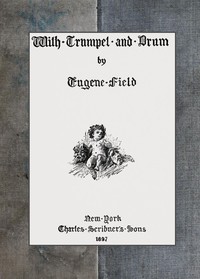
With Trumpet and Drum
Written by Eugene Field
Chaptra reads alongside you — AI insights, chapter breakdowns and reader discussions for every book. Join free
About this book
Reading guide
Themes, characters and key ideas in With Trumpet and Drum, written by Chaptra AI.
- about 6 hours
- beginner
- whimsical
- nostalgic
- dreamlike
Eugene Field's "With Trumpet and Drum" is a cherished collection of late 19th-century children's poetry, renowned for its tender portrayal of childhood innocence and vivid imagination. The volume weaves together whimsical verses that explore themes of familial love, nostalgia for youth, and the enchanting world of childish fantasy. Through rhythmic language and playful sound, Field invites readers into a dreamlike realm populated by memorable figures and scenarios, capturing the ephemeral beauty of youth and the enduring power of cherished memories. Poems like "Wynken, Blynken, and Nod" and "The Sugar-Plum Tree" exemplify the book's melodic quality and its ability to resonate with both children and adults.
“Wynken, Blynken, and Nod one night / Sailed off in a wooden shoe—”
Key themes
- Childhood Innocence and Imagination
- This is the overarching theme, celebrating the unspoiled purity of childhood and the boundless capacity of a child's mind to create fantastic worlds. Field portrays childhood as a sacred time of wonder, free from the cynicism of adulthood, where dreams and reality seamlessly intertwine.
- Nostalgia and the Ephemeral Nature of Youth
- While celebrating childhood, Field often imbues his poems with a gentle sense of longing for a time past, reflecting an adult's wistful remembrance of their own youth. This theme acknowledges that childhood is fleeting, making its joys all the more precious and the memories all the more poignant.
- Familial Love and Comfort
- Many poems in the collection highlight the warmth, security, and unconditional love found within the family unit, particularly between parents and children. This theme provides a comforting backdrop to the more fantastical elements, grounding the dreams in a sense of safety and belonging.
Worth discussing
How does Field use rhythm and rhyme to create a sense of magic and wonder in his poems?
Chapter-by-chapter breakdowns, character arcs and the full thematic analysis come with a free account.
Discussions
No one has started one yet
Questions this book opens up
No discussions yet
Be the first to start a discussion about this book!
Sign up to start the discussionReviews
No reviews yet
Be the first to review this book!