
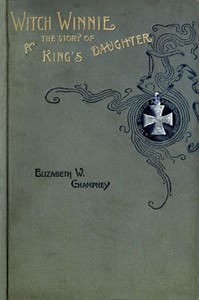
Witch Winnie: The Story of a "King's Daughter"
Written by Elizabeth W. (Elizabeth Williams) Champney
Chaptra reads alongside you — AI insights, chapter breakdowns and reader discussions for every book. Join free
About this book
Reading guide
Themes, characters and key ideas in Witch Winnie: The Story of a "King's Daughter", written by Chaptra AI.
- about 8 hours
- intermediate
- uplifting
- charming
- wholesome
Elizabeth W. Champney's "Witch Winnie: The Story of a 'King's Daughter'" is a charming late 19th-century novel set in a prim boarding school. The story follows the arrival of the spirited and unconventional Witch Winnie, whose lively antics disrupt the established order and the well-behaved 'Amen Corner' pupils. Narrated through the eyes of her classmate Nellie Smith, the book explores the initial tensions and eventual blossoming of friendship as Winnie's generosity and daring spirit win over her peers. It's a tale of individuality, acceptance, and the transformative power of a free spirit within a structured environment, ultimately highlighting themes of companionship and personal growth.
“"It seemed as if a whirlwind had swept through the orderly halls, and its name was Winnie."”
Key themes
- Individuality vs. Conformity
- This is the central conflict of the novel, explored through Winnie's spirited defiance of Madame's strict rules and the 'Amen Corner's' rigid expectations. The theme highlights the tension between the desire to fit in and the importance of maintaining one's unique identity. Winnie's journey ultimately argues for the value of individuality.
- Friendship and Acceptance
- The novel deeply explores the process of forming genuine friendships, particularly across initial barriers of prejudice and misunderstanding. Winnie's journey to win the hearts of her classmates, and Nellie's evolving perspective, illustrate how empathy, generosity, and shared experiences can forge strong bonds and lead to mutual acceptance.
- Personal Growth and Moral Development
- Both Winnie and Nellie undergo significant personal growth throughout the narrative. Winnie learns to navigate social expectations while staying true to herself, demonstrating that goodness can be expressed in various forms. Nellie, as the observer, develops a more nuanced understanding of character, moving beyond superficial judgments to appreciate deeper virtues. The school setting serves as a crucible for their moral and social development.
Worth discussing
How does Winnie challenge the traditional notions of 'proper' behavior at Madame's school, and what does this reveal about societal expectations for girls at the time?
Chapter-by-chapter breakdowns, character arcs and the full thematic analysis come with a free account.
Discussions
No one has started one yet
Questions this book opens up
No discussions yet
Be the first to start a discussion about this book!
Sign up to start the discussionReviews
No reviews yet
Be the first to review this book!