
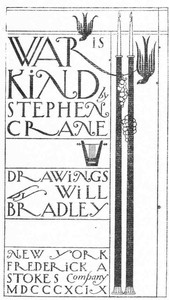
War is Kind
Written by Stephen Crane
Chaptra reads alongside you — AI insights, chapter breakdowns and reader discussions for every book. Join free
About this book
Reading guide
Themes, characters and key ideas in War is Kind, written by Chaptra AI.
- about 8 hours
- advanced
- dark
- ironic
- bleak
Stephen Crane's "War is Kind" is a poignant and deeply ironic collection of free verse poems that dismantle the romanticized notions of war prevalent in the late 19th century. Through stark, often brutal imagery and a detached, almost cynical tone, Crane exposes the futility, cruelty, and dehumanizing effects of conflict on soldiers and civilians alike. The collection functions as a powerful anti-war statement, contrasting the propagandistic glorification of battle with the grim realities of death, suffering, and the shattered innocence it leaves in its wake. It serves as a precursor to modernist poetry, challenging conventional poetic forms and themes with its raw realism and psychological depth.
“Do not weep, maiden, for war is kind.”
Key themes
- Irony and Deception
- The entire collection is steeped in dramatic irony, particularly through the repeated phrase 'war is kind.' Crane uses this contrast between what is said and what is depicted to critique the propaganda and societal lies that glorify war and obscure its true horrors from the public.
- The Futility and Cruelty of War
- This is the central, overarching theme. Crane relentlessly exposes war not as a glorious endeavor but as a senseless, destructive force that reduces human life to nothingness. He highlights the arbitrary nature of death and the profound waste of human potential.
- Loss of Innocence
- Crane frequently portrays young, naive individuals (soldiers, drummer boys, maidens) who are initially shielded from or unaware of war's true nature. Their encounters with its brutality lead to a swift and tragic loss of innocence, replaced by disillusionment, grief, or death.
Worth discussing
How does Crane use irony, particularly in the title poem, to convey his message about war?
Chapter-by-chapter breakdowns, character arcs and the full thematic analysis come with a free account.
Discussions
No one has started one yet
Questions this book opens up
No discussions yet
Be the first to start a discussion about this book!
Sign up to start the discussionReviews
No reviews yet
Be the first to review this book!