The AI reading companion for people who take books seriously
AI insights, chapter breakdowns, community discussions — all in one place.
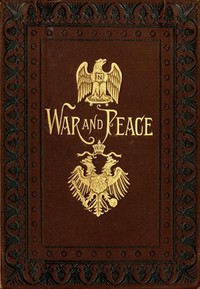
War and Peace
About this book
More by Leo Tolstoy
Browse all books by this authorExplore Russia Books
Discover more Russia literature
Click "Read now" to open in our Reader with AI features.
Community Discussions
Join the conversation about this book
Discussions
0 discussions
No discussions yet
Be the first to start a discussion about this book!
Sign up to start the discussionAI-Powered Insights
A clearer way to understand War and Peace through themes, characters, and key ideas
This reading guide highlights what stands out in War and Peace through 4 core themes, 5 character profiles. It is meant to help readers decide whether the book fits their taste and deepen the reading once they begin.
About this book
A quick AI guide to “War and Peace”
Get the shape of the book before you commit: what it is about, what mood it carries, and what ideas readers tend to stay with afterward.
What the book is doing
Leo Tolstoy's "War and Peace" is an epic historical novel that chronicles the lives of several aristocratic Russian families, primarily the Bezukhovs, Bolkonskys, and Rostovs, during the tumultuous period of the Napoleonic Wars from 1805 to 1812. The narrative seamlessly blends vivid portrayals of grand historical events, such as the Battle of Borodino, with intimate explorations of its characters' personal struggles, loves, losses, and spiritual awakenings. Through the experiences of figures like the searching Pierre Bezukhov, the idealistic Prince Andrei Bolkonsky, and the vivacious Natasha Rostova, Tolstoy delves into profound philosophical questions about history, free will, fate, and the meaning of life. The novel stands as a monumental examination of humanity's place within the sweep of history, contrasting the chaos of war with the enduring power of human connection and the search for truth.
Key Themes
War and Peace (The Duality of Existence)
This central theme explores the fundamental contrast between the destructive chaos of war and the constructive, life-affirming tranquility of peace, particularly domestic and family life. Tolstoy contrasts the grand, often meaningless, movements of armies with the intimate, meaningful moments of individual existence.
History, Free Will, and Determinism
Tolstoy challenges conventional historiography, arguing that history is not driven by the actions of 'great men' like Napoleon but by the countless, often unconscious, actions of ordinary individuals and the collective will of the masses. He posits that historical events are largely predetermined, questioning the extent of individual free will.
“All happy families are alike; each unhappy family is unhappy in its own way. (Often attributed to 'War and Peace', but actually from 'Anna Karenina'. For War and Peace:)”
How does Tolstoy explore the concept of free will versus historical determinism? Do the characters truly make choices, or are they swept along by larger forces?
See chapter-by-chapter takeaways, deeper character arcs, and a fuller literary analysis built around this book.
Unlock full AI analysis for “War and Peace”
Chapter breakdowns, character deep-dives, and thematic analysis — all in one place.
Reader Reviews
See what others are saying
Reviews
Overall Rating
Based on community ratings
No reviews yet
Be the first to review this book!
Readers Also Enjoyed
Discover more books similar to War and Peace