
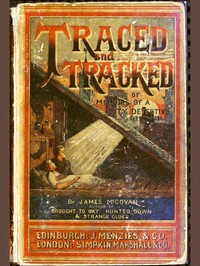
Traced and Tracked; Or, Memoirs of a City Detective
Written by James M'Govan
Chaptra reads alongside you — AI insights, chapter breakdowns and reader discussions for every book. Join free
About this book
Reading guide
Themes, characters and key ideas in Traced and Tracked; Or, Memoirs of a City Detective, written by Chaptra AI.
- about 8 hours
- intermediate
- mysterious
- gritty
- suspenseful
James M'Govan's "Traced and Tracked; Or, Memoirs of a City Detective" offers a late 19th-century glimpse into the gritty world of urban crime and detection through the eyes of a city detective, likely the author himself. This collection of tales chronicles various investigations, highlighting the intricate dance between law enforcement and the criminal underworld. The narrative captures the cunning and deception inherent in crime-solving within bustling cityscapes, illustrating the human elements at play in both perpetrating and pursuing justice. The memoir opens with the pursuit of Dave Larkins, a notorious Yorkshire thief, and his unlikely alliance with Jake Mackay, setting a tone of thrilling intrigue and relentless pursuit against a backdrop of urban complexity.
“The city, to a detective, is a living, breathing beast, full of shadows and secrets, each alley a potential lair, every face a possible mask.”
Key themes
- Crime and Justice
- This is the central theme, exploring the constant struggle between law enforcement and the criminal underworld in a bustling urban setting. The book delves into various forms of crime, from street robberies to more complex schemes, and the relentless efforts of the detective to bring perpetrators to justice. It highlights the societal impact of crime and the necessity of a functioning justice system.
- Urban Life and Social Decay
- The book vividly portrays the late 19th-century city as a complex ecosystem where crime flourishes amidst dense populations and anonymous streets. It subtly explores the conditions that might lead to criminal activity, such as poverty, desperation, and the anonymity offered by urban environments, reflecting broader social issues of the era.
- The Nature of Detection
- M'Govan's memoirs offer a practical, first-person look at the methods and mindset required for detective work in the late 19th century. It emphasizes observation, patience, understanding criminal psychology, and the relentless pursuit of clues, grounding the heroic image of the detective in the realities of daily police work.
Worth discussing
How does M'Govan's portrayal of a city detective differ from or align with other contemporary detective figures like Sherlock Holmes?
Chapter-by-chapter breakdowns, character arcs and the full thematic analysis come with a free account.
Discussions
No one has started one yet
Questions this book opens up
No discussions yet
Be the first to start a discussion about this book!
Sign up to start the discussionReviews
No reviews yet
Be the first to review this book!