
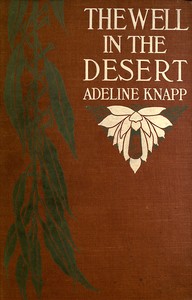
The well in the desert
Written by Adeline Knapp
Chaptra reads alongside you — AI insights, chapter breakdowns and reader discussions for every book. Join free
About this book
Reading guide
Themes, characters and key ideas in The well in the desert, written by Chaptra AI.
- about 6 hours
- intermediate
- desperate
- hopeful
- solitary
Adeline Knapp's "The Well in the Desert" is a compelling tale of survival, redemption, and the enduring power of hope set against the harsh, unforgiving backdrop of the American desert. The narrative follows a protagonist's arduous journey through an arid landscape, driven by desperation and a faint glimmer of a legendary oasis. It explores the psychological toll of isolation and the profound human need for sustenance, both physical and spiritual, culminating in a poignant discovery that transcends mere physical relief. The story serves as an allegory for life's trials and the unexpected sources of renewal found in the most barren circumstances.
“The desert asks everything, and gives nothing but itself.”
Key themes
- Survival and Resilience
- This theme explores the raw, primal instinct to survive against overwhelming odds. It delves into the physical and mental endurance required to face extreme deprivation and the sheer will power that drives an individual beyond their perceived limits.
- Hope and Despair
- The narrative intricately weaves between moments of profound despair, brought on by isolation and imminent death, and the persistent, flickering flame of hope. It examines how hope, even when seemingly irrational, can be the sole motivator for action and how its presence or absence defines the human experience.
- Redemption and Transformation
- Beyond physical survival, the story explores a journey of spiritual and moral redemption. The harshness of the desert strips the protagonist of his former self, forcing introspection and leading to a profound transformation of character and purpose.
Worth discussing
How does the desert function as a character in the story, and what does it symbolize?
Chapter-by-chapter breakdowns, character arcs and the full thematic analysis come with a free account.
Discussions
No one has started one yet
Questions this book opens up
No discussions yet
Be the first to start a discussion about this book!
Sign up to start the discussionReviews
No reviews yet
Be the first to review this book!