
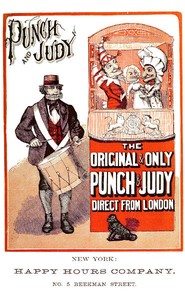
The tragical acts, or comical tragedies of Punch and Judy
Written by W. J. (William J.) Judd
Chaptra reads alongside you — AI insights, chapter breakdowns and reader discussions for every book. Join free
About this book
Reading guide
Themes, characters and key ideas in The tragical acts, or comical tragedies of Punch and Judy, written by Chaptra AI.
- about 8 hours
- intermediate
- humorous
- dark
- chaotic
W. J. Judd's "The tragical acts, or comical tragedies of Punch and Judy" presents a compiled script or standardized version of the iconic, centuries-old English puppet show. It details the anarchic escapades of the mischievous, hook-nosed Mr. Punch as he violently dispatches his wife Judy, their baby, and a procession of authority figures including a doctor, a policeman, and a hangman, often culminating in a confrontation with a crocodile or the Devil. The work captures the show's signature blend of slapstick, dark humor, and a gleeful subversion of justice and social order, offering a raw, unvarnished glimpse into a controversial yet enduring form of popular entertainment.
“That's the way to do it!”
Key themes
- Anarchy vs. Order
- This is the central thematic conflict. Mr. Punch embodies pure anarchy, rejecting all societal norms, laws, and moral codes. He systematically defeats every figure representing order—his wife (domestic order), the baby (innocence), the doctor (health/science), the policeman (law), the hangman (justice), and even the Devil (supernatural consequence). His triumph signifies the chaotic individual's victory over structured society.
- Justice and Impunity
- A core theme is the complete subversion of justice. Despite committing numerous murders and acts of violence, Punch is never punished. Instead, he consistently outwits and eliminates those who try to bring him to justice, ultimately celebrating his impunity. This challenges the audience's expectations of moral retribution and highlights a fantastical escape from consequence.
- The Grotesque and Dark Humor
- The show thrives on grotesque imagery and dark humor, finding comedy in violence, death, and domestic abuse. The exaggerated nature of the puppets and the rapid pace of the action transform horrific acts into slapstick, allowing the audience to laugh at what would otherwise be deeply disturbing. This theme explores the human capacity to find humor in the macabre and the absurd.
Worth discussing
How does the enduring popularity of Punch and Judy reflect or challenge societal views on violence and justice?
Chapter-by-chapter breakdowns, character arcs and the full thematic analysis come with a free account.
Discussions
No one has started one yet
Questions this book opens up
No discussions yet
Be the first to start a discussion about this book!
Sign up to start the discussionReviews
No reviews yet
Be the first to review this book!