
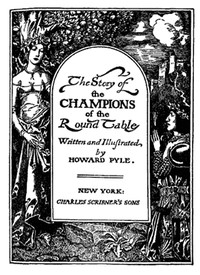
The Story of the Champions of the Round Table
Written by Howard Pyle
Chaptra reads alongside you — AI insights, chapter breakdowns and reader discussions for every book. Join free
About this book
Reading guide
Themes, characters and key ideas in The Story of the Champions of the Round Table, written by Chaptra AI.
- about 10 hours
- intermediate
- epic
- chivalrous
- heroic
Howard Pyle's "The Story of the Champions of the Round Table" is a vibrant early 20th-century retelling of Arthurian legends, focusing on the heroic journeys of three pivotal knights: Sir Launcelot, Sir Percival, and Sir Tristram. The narrative intricately weaves their individual adventures and moral quandaries within the grand tapestry of King Arthur's court, emphasizing the core tenets of chivalry, valor, and destiny. Beginning with the dramatic origins of Launcelot, from the tragic death of his father King Ban to his magical upbringing by the Lady of the Lake, the book meticulously charts the rise of these legendary figures. It explores their challenges, triumphs, and the complex interplay of their fates, ultimately serving as a foundational work for understanding the ideals and eventual decline of the Round Table.
“For in those days, a knight's word was his bond, and his honor was his very life.”
Key themes
- Chivalry and Valor
- This is the foundational theme, explored through the actions, codes, and moral dilemmas of the knights. Pyle meticulously details the virtues of a true knight: courage, honor, loyalty, courtesy, and justice, showcasing how these ideals are upheld and sometimes challenged in their quests and battles.
- Destiny and Prophecy
- The narrative frequently touches upon the idea that certain individuals, particularly Launcelot, are fated for greatness or tragedy. Magical interventions and prophecies hint at predetermined paths, suggesting that while knights strive for honor, their ultimate fates are often guided by forces beyond their control.
- The Nature of Heroism
- Pyle explores different facets of heroism through his champions. Launcelot embodies martial prowess and physical strength, Percival represents spiritual purity and moral fortitude, and Tristram combines valor with artistic sensibility and tragic romance. This theme questions what truly defines a hero and whether different forms of greatness are equally valid.
Worth discussing
How does Pyle's depiction of chivalry compare to modern ideas of heroism? Are the values presented still relevant today?
Chapter-by-chapter breakdowns, character arcs and the full thematic analysis come with a free account.
Discussions
No one has started one yet
Questions this book opens up
No discussions yet
Be the first to start a discussion about this book!
Sign up to start the discussionReviews
No reviews yet
Be the first to review this book!