
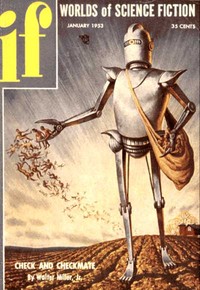
About this book
Reading guide
Themes, characters and key ideas in The Statue, written by Chaptra AI.
- about 3 hours
- intermediate
- nostalgic
- reflective
- poignant
Mari Wolf's 1950s science fiction novella, "The Statue," explores the poignant journey of Lewis and Martha Farwell, elderly Martian settlers who, after over sixty-five years, yearn for their ancestral home on Earth. Despite the practical barriers of age, finances, and travel regulations, their longing is a constant undercurrent as they watch Earth rise in the Martian sky. A surprise anniversary celebration by their Martian community, culminating in the unveiling of a statue commemorating them as "The first Martians," forces them to confront the complex meaning of home and identity. The story delves deeply into themes of nostalgia, belonging, and the emotional weight of a life lived far from one's origins, ultimately questioning where true belonging lies.
“"The dust of Mars may cling to our boots, Martha, but the soil of Earth is still rooted in our hearts."”
Key themes
- Belonging and Home
- This is the core theme of the novella. It explores the complex nature of 'home' – is it where one was born, where one has lived, or where one feels a connection? The Farwells are torn between their ancestral home (Earth) and the home they built (Mars), highlighting that belonging is not solely geographical but also emotional, historical, and communal.
- Aging and Mortality
- The theme of aging is central to the Farwells' dilemma. Their desire to return to Earth is framed by the urgency of 'before it's too late,' highlighting the physical limitations and dwindling time that come with old age. Their reflections on a life lived underscore the inevitability of mortality and the desire to find peace or closure in their final years.
- Nostalgia and Memory
- The story is steeped in nostalgia, as Lewis and Martha constantly reminisce about their Earthly past. Memories are both a source of comfort and pain, fueling their longing but also potentially romanticizing a past that no longer exists. The theme explores how memory shapes our present desires and our understanding of our own history.
Worth discussing
How does 'The Statue' challenge or affirm your understanding of what 'home' truly means?
Chapter-by-chapter breakdowns, character arcs and the full thematic analysis come with a free account.
Discussions
No one has started one yet
Questions this book opens up
No discussions yet
Be the first to start a discussion about this book!
Sign up to start the discussionReviews
No reviews yet
Be the first to review this book!