
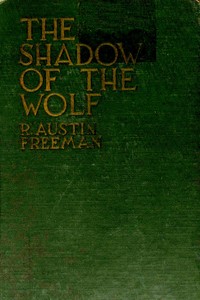
The shadow of the Wolf
Written by R. Austin (Richard Austin) Freeman
Chaptra reads alongside you — AI insights, chapter breakdowns and reader discussions for every book. Join free
About this book
Read it with a club
Chaptra's mystery and crime clubs — small groups reading the same books and talking as they go.


Whodunit Wednesdays
Mystery and crime
- 4 members
- 4 discussions
- Active Sep 11
One mystery a fortnight. We stop at the reveal, everyone posts their accusation, and then we read on together. This is a Chaptra house club — set up and moderated by us to get the conversation going. Open to everyone; jump in anywhere.
Read The shadow of the Wolf alongside people who are reading it too.
Chaptra Prime — paid clubs, every club feature, and unlimited reading support, for $5 a month or $60 once.
See PrimeReading guide
Themes, characters and key ideas in The shadow of the Wolf, written by Chaptra AI.
- about 8 hours
- intermediate
- dark
- mysterious
- tense
R. Austin Freeman's 'The Shadow of the Wolf' plunges readers into a tense early 20th-century criminal underworld, following Daniel Purcell and Varney as they execute a dangerous banknote forgery scheme aboard a yacht. The narrative quickly establishes a strained partnership, with Varney harboring deep resentment towards Purcell, fueled by their shared connection to a woman named Maggie. As their illicit activities unfold against a maritime backdrop, the story explores themes of betrayal, moral ambiguity, and the escalating consequences of desperate actions. The initial chapters skillfully build a gripping atmosphere of deception, foreshadowing significant twists and an inevitable confrontation stemming from their intertwined criminal and personal lives.
“"The sea itself is a conspirator when a man has secrets to keep, or blood to spill."”
Key themes
- Betrayal and Trust
- This theme is central to the narrative, explored through the deteriorating partnership between Purcell and Varney. The story highlights the fragility of trust, especially in criminal enterprises, and how personal grievances can lead to profound acts of betrayal, ultimately unraveling even the most meticulously planned schemes.
- Moral Ambiguity
- The novel delves into the grey areas of morality, presenting characters who are neither wholly good nor evil. It explores the motivations behind their criminal actions and the internal conflicts they face, challenging readers to consider the complexities of human nature and the circumstances that drive individuals to desperate measures.
- Consequences of Crime
- The narrative meticulously illustrates the inevitable fallout of criminal acts, not just in terms of legal repercussions but also the psychological and relational damage inflicted. It emphasizes how illicit schemes breed paranoia, distrust, and personal destruction, regardless of their initial success.
Worth discussing
How does the maritime setting contribute to the novel's atmosphere and themes of isolation and entrapment?
Chapter-by-chapter breakdowns, character arcs and the full thematic analysis come with a free account.
Discussions
No one has started one yet
Questions this book opens up
No discussions yet
Be the first to start a discussion about this book!
Sign up to start the discussionReviews
No reviews yet
Be the first to review this book!