
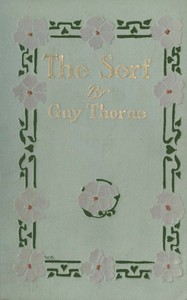
The Serf
Written by Guy Thorne
Chaptra reads alongside you — AI insights, chapter breakdowns and reader discussions for every book. Join free
About this book
Reading guide
Themes, characters and key ideas in The Serf, written by Chaptra AI.
- about 8 hours
- intermediate
- dark
- somber
- rebellious
Guy Thorne's "The Serf" is an early 20th-century historical novel set during the tumultuous reign of King Stephen, casting a stark light on the brutal realities of medieval serfdom. The story centers on Hyla, a lowly serf, whose life of subjugation under the cruel Baron Geoffroi de la Bourne is marked by constant suffering and a deep yearning for freedom. The narrative intensifies dramatically when Hyla's daughters are taken to the baron's castle, igniting a simmering rage that transforms into a fierce resolve for revenge. This personal tragedy serves as a catalyst, hinting at a broader uprising against the pervasive social injustices and baronial oppression, intertwining individual fate with the destiny of an entire community.
“"A serf's life is but a shadow, yet even a shadow can cast a long reach when the sun sets in fury."”
Key themes
- Oppression and Social Injustice
- This theme explores the systemic subjugation of the serfs under the feudal system, highlighting the absolute power of the nobility and the lack of rights for the common people. It delves into the daily hardships, physical suffering, and psychological toll of living without freedom or agency, illustrating how power imbalances lead to widespread injustice and exploitation.
- The Quest for Freedom
- Central to Hyla's journey, this theme explores the profound human yearning for liberty, not just from physical bondage but from the psychological weight of subjugation. It examines the lengths to which individuals and communities will go to reclaim their autonomy and dignity, even in the face of overwhelming odds. It questions what true freedom entails and the sacrifices required to achieve it.
- Family Loyalty and Sacrifice
- The bond of family serves as the foundational motivation for Hyla's actions. This theme highlights the strength of familial love, particularly in adverse circumstances, and the extreme sacrifices individuals are willing to make to protect their loved ones. It underscores how personal ties can become a powerful catalyst for resistance against overwhelming forces.
Worth discussing
How does Thorne use Hyla's personal tragedy to symbolize broader social injustices in medieval England?
Chapter-by-chapter breakdowns, character arcs and the full thematic analysis come with a free account.
Discussions
No one has started one yet
Questions this book opens up
No discussions yet
Be the first to start a discussion about this book!
Sign up to start the discussionReviews
No reviews yet
Be the first to review this book!