
The AI reading companion for people who take books seriously
AI insights, chapter breakdowns, community discussions — all in one place.
Book0 • 300+ pages • 5+ hours reading time
The rasp
3.3/5
339 readers on Chaptra have this book
About this book
"The Rasp" by Philip MacDonald is a mystery novel likely written in the early 20th century. The story revolves around the murder of a prominent cabinet minister, John Hoode, and follows Spencer Hastings, the editor of a publication called "The Owl", as well as his efficient secretarial assistant, Margaret Warren, who arrives with the shocking news of the murder. As the investigation progresses, they enlist the help of Anthony Gethryn, a man with a diverse background and a knack for uncovering the truth, to assist in solving the crime. At the start of the book, the reader is introduced to Spencer Hastings during a chaotic Thursday night at the offices of "The Owl", leading up to the unexpected news of Hoode's murder. Hastings and Warren quickly navigate the demands of producing a special edition of their paper in the wake of this shocking event. As they delve into the investigation, they realize the complexity of the case involving various characters at the minister's country house, including family and guests. The opening chapters set a gripping tone for the narrative, filled with intrigue as Gethryn begins to examine the circumstances surrounding the murder, marked by unusual details that hint at a deeper plot.
Language
English
Publisher
Project Gutenberg
Release date
Unknown
Downloads
147
More by Philip MacDonald
Browse all books by this authorExplore Detective and mystery stories Books
Discover more Detective and mystery stories literature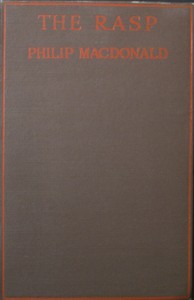
Click "Read now" to open in our Reader with AI features.
Community Discussions
Join the conversation about this book
Discussions
0 discussions
No discussions yet
Be the first to start a discussion about this book!
Sign up to start the discussionAI-Powered Insights
A clearer way to understand The rasp through themes, characters, and key ideas
AI Reading GuidePreview
Unlock full AI analysis for “The rasp”
Chapter breakdowns, character deep-dives, and thematic analysis — all in one place.
Reader Reviews
See what others are saying
Reviews
Overall Rating
3.3
330 ratingsBased on community ratings
No reviews yet
Be the first to review this book!
Readers Also Enjoyed
Discover more books similar to The rasp