
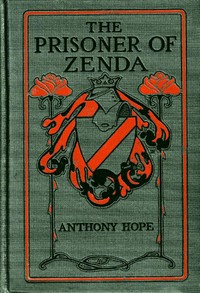
The prisoner of Zenda
Written by Anthony Hope
Chaptra reads alongside you — AI insights, chapter breakdowns and reader discussions for every book. Join free
About this book
Reading guide
Themes, characters and key ideas in The prisoner of Zenda, written by Chaptra AI.
- about 9 hours
- intermediate
- adventurous
- romantic
- thrilling
Anthony Hope's "The Prisoner of Zenda" thrusts Rudolf Rassendyll, an English gentleman, into a perilous adventure when his uncanny resemblance to the King of Ruritania leads him to impersonate the monarch after the real King is drugged and kidnapped. Tasked with maintaining the illusion of kingship, Rudolf navigates treacherous court politics, fierce sword fights, and a passionate, forbidden romance with Princess Flavia. His journey forces him to confront his true identity and the profound responsibilities of duty and sacrifice, ultimately leading to a bittersweet resolution where he must choose between personal happiness and the stability of a nation.
“"I had not much ambition. I was content to be a Crichton, and to be called a idler, and to be told that I was a disgrace to the family."”
Key themes
- Identity vs. Duty
- This is the central theme, exploring how Rudolf Rassendyll's personal identity as an English gentleman clashes with the immense public duty of impersonating a king. It examines the burden of responsibility and how an individual's character is forged by the roles they are forced to play. Rudolf learns that true leadership is not about birthright but about the willingness to sacrifice for the greater good.
- Appearance vs. Reality
- The entire premise of the novel hinges on the deception of Rudolf Rassendyll's impersonation. This theme questions what constitutes true kingship and legitimacy. Is it bloodline, or is it the ability to govern justly and inspire loyalty? The contrast between the 'real' King (weak and ineffectual) and the 'imposter' (strong and decisive) forces characters and readers to consider the substance beneath the surface.
- Love and Sacrifice
- The tragic romance between Rudolf Rassendyll and Princess Flavia forms the emotional core of the novel. Their deep affection is ultimately sacrificed for the sake of Ruritania's stability and honor. This theme explores the painful choices individuals must make when personal happiness conflicts with a higher moral or societal obligation, showcasing the nobility of selflessness.
Worth discussing
How does Rudolf Rassendyll's character evolve throughout the novel? What qualities make him a compelling hero?
Chapter-by-chapter breakdowns, character arcs and the full thematic analysis come with a free account.
Discussions
No one has started one yet
Questions this book opens up
No discussions yet
Be the first to start a discussion about this book!
Sign up to start the discussionReviews
No reviews yet
Be the first to review this book!