
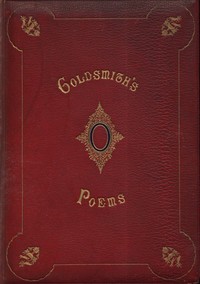
The Poems of Oliver Goldsmith
Written by Oliver Goldsmith
Chaptra reads alongside you — AI insights, chapter breakdowns and reader discussions for every book. Join free
About this book
Reading guide
Themes, characters and key ideas in The Poems of Oliver Goldsmith, written by Chaptra AI.
- about 8 hours
- intermediate
- nostalgic
- melancholic
- reflective
Oliver Goldsmith's "The Poems of Oliver Goldsmith" is an evocative 18th-century collection that masterfully blends pastoral beauty with poignant social commentary. Through works like 'The Deserted Village,' Goldsmith paints vivid pictures of a disappearing rural idyll, lamenting the impact of societal transformation, luxury, and progress on simpler, more virtuous communities. The collection is imbued with a deep sense of nostalgia and melancholy for a bygone era, reflecting on themes of human nature, loss of innocence, and the often-detrimental march of modernization. It serves as both a celebration of pastoral life and a heartfelt critique of the forces that erode it, inviting readers to contemplate the true cost of progress.
“Sweet Auburn! loveliest village of the plain, / Where health and plenty cheered the labouring swain.”
Key themes
- The Decline of Rural Life and the Pastoral Ideal
- This is a central theme, particularly in 'The Deserted Village,' where Goldsmith mourns the destruction of traditional rural communities due to economic changes like enclosure and the pursuit of luxury. He idealizes the simple, virtuous life of the countryside, contrasting it with the perceived corruption and inequality of urban centers. The theme explores the loss of a harmonious relationship between humanity and nature, and the displacement of a self-sufficient, contented populace.
- Social Critique of Luxury and Progress
- Goldsmith uses his poetry to critique the societal values that prioritize wealth and luxury over human well-being and social justice. He argues that the accumulation of riches by a few leads to the impoverishment and displacement of many, ultimately weakening the moral fabric of the nation. This theme directly challenges the Enlightenment notion of 'progress' when it comes at the cost of human dignity and communal harmony.
- Nostalgia, Loss, and Melancholy
- A pervasive emotional undercurrent throughout the collection, reflecting a deep longing for a past that is irrevocably gone. Goldsmith expresses a profound sense of loss for his childhood memories, the innocence of rural life, and the moral integrity he associates with a bygone era. This melancholy is not merely sentimental but imbues his social critique with emotional weight and personal resonance.
Worth discussing
How does Goldsmith's portrayal of Auburn reflect broader anxieties about social and economic change in 18th-century England?
Chapter-by-chapter breakdowns, character arcs and the full thematic analysis come with a free account.
Discussions
No one has started one yet
Questions this book opens up
No discussions yet
Be the first to start a discussion about this book!
Sign up to start the discussionReviews
No reviews yet
Be the first to review this book!