
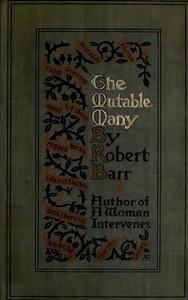
The Mutable Many: A Novel
Written by Robert Barr
Chaptra reads alongside you — AI insights, chapter breakdowns and reader discussions for every book. Join free
About this book
Reading guide
Themes, characters and key ideas in The Mutable Many: A Novel, written by Chaptra AI.
- about 8 hours
- intermediate
- tense
- social commentary
- somber
Robert Barr's late 19th-century novel, "The Mutable Many," delves into the tumultuous world of industrial London through the eyes of John Sartwell, a stern factory manager. He grapples with escalating worker discontent and the looming threat of a strike, a conflict exacerbated by the aspirations of young laborers like Marsten. The narrative intricately weaves Sartwell's professional struggles with his personal life, particularly his protective relationship with his daughter, Edna. Through these intertwined threads, the novel explores profound themes of class conflict, individual ambition, and the complex moral landscape of a rapidly industrializing society. It paints a vivid picture of the tensions between labor and management, hinting at the profound social changes of the era.
“"The air itself seemed to hum with the unspoken grievances of a thousand hands, each calloused and weary."”
Key themes
- Class Conflict and Industrial Strife
- This theme is central to the novel, exploring the stark divide between the factory owners/managers and the working class in late 19th-century London. It delves into the economic exploitation, poor working conditions, and power imbalances that fueled worker discontent and the demand for strikes. The narrative examines the perspectives of both sides, highlighting the struggles for dignity, fair wages, and basic human rights against the backdrop of industrial capitalism.
- Personal Ambition vs. Collective Action
- The novel explores how individual aspirations and desires interact with, and sometimes conflict with, the demands of collective movements. Characters like Marsten embody personal ambition within the context of a collective struggle for rights, while Sartwell's ambition (or duty) as a manager clashes with the collective will of his workers. It raises questions about loyalty, self-interest, and the greater good.
- Paternal Responsibility and Protection
- Explored primarily through John Sartwell's relationship with his daughter, Edna, this theme delves into a father's protective instincts and the moral dilemmas faced when personal responsibilities intersect with professional duties. Sartwell's desire to protect Edna may influence his decisions regarding the factory and its workers, highlighting the emotional toll of his position and adding a humanizing element to his stern character.
Worth discussing
How does Barr portray the 'mutable many' – the working class – and what does this title suggest about their collective agency?
Chapter-by-chapter breakdowns, character arcs and the full thematic analysis come with a free account.
Discussions
No one has started one yet
Questions this book opens up
No discussions yet
Be the first to start a discussion about this book!
Sign up to start the discussionReviews
No reviews yet
Be the first to review this book!