
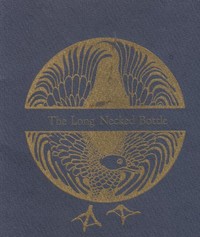
The Long Necked Bottle
Written by Paul Cameron Brown
Chaptra reads alongside you — AI insights, chapter breakdowns and reader discussions for every book. Join free
About this book
Reading guide
Themes, characters and key ideas in The Long Necked Bottle, written by Chaptra AI.
- about 6 hours
- intermediate
- introspective
- reflective
- poignant
"The Long Necked Bottle" by Paul Cameron Brown is an evocative collection of late 20th-century poetry that delves into the intricacies of human experience and cultural observations. Through rich imagery and deep emotional resonance, Brown explores themes of life, nature, and societal contrasts, inviting readers to engage in introspective reflection. Poems like "The River Cuts A Channel" juxtapose natural freedom with societal constraint, while "Chinatown-I" offers a sensory journey into cultural landscapes and human poignancy. The collection collectively scrutinizes modern suffering and the human condition, employing striking visuals and evocative language to create a profound and thought-provoking reading experience.
“The albatross soars free, while gilded lives remain tethered to their golden cages. (Representative of 'The River Cuts A Channel')”
Key themes
- Human Experience and Condition
- This overarching theme encompasses the myriad facets of human life, from individual emotional landscapes to collective struggles and triumphs. Brown explores the universal aspects of existence, including joy, sorrow, freedom, constraint, and the search for meaning. The poems delve into what it means to be human in a complex world.
- Societal Nuances and Critique
- Brown scrutinizes the complexities and often absurdities of human society. This theme involves observations on class distinctions, cultural practices, and the ways in which societal structures impact individual lives. There's a subtle but clear critique of modern suffering and the disconnects within contemporary culture.
- Nature vs. Human Constructs
- This theme explores the relationship and often tension between the natural world and the artificial structures, both physical and social, created by humanity. Nature is often presented as a symbol of freedom, wildness, and timelessness, contrasting with the constraints, complexities, and transience of human civilization.
Worth discussing
How does Paul Cameron Brown use contrasting imagery, such as the albatross and wealthy lives, to explore themes of freedom and constraint?
Chapter-by-chapter breakdowns, character arcs and the full thematic analysis come with a free account.
Discussions
No one has started one yet
Questions this book opens up
No discussions yet
Be the first to start a discussion about this book!
Sign up to start the discussionReviews
No reviews yet
Be the first to review this book!