
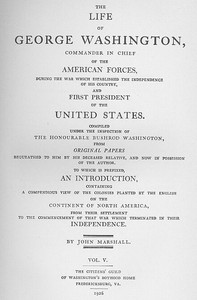
The Life of George Washington, Vol. 5: Commander in Chief of the American Forces During the War; which Established the Independence of his Country and First; President of the United States
Written by John Marshall
Chaptra reads alongside you — AI insights, chapter breakdowns and reader discussions for every book. Join free
About this book
Reading guide
Themes, characters and key ideas in The Life of George Washington, Vol. 5: Commander in Chief of the American Forces During the War; which Established the Independence of his Country and First; President of the United States, written by Chaptra AI.
- about 15 hours
- advanced
- historical
- political
- serious
John Marshall's "The Life of George Washington, Vol. 5" meticulously chronicles George Washington's second presidential term, a period defined by intense foreign policy challenges and the nascent stirrings of American political factionalism. The volume centers on the critical dilemma of maintaining national neutrality amidst the escalating war between Great Britain and France, a stance Washington championed to safeguard the young republic's sovereignty. It vividly portrays Washington's struggles with foreign diplomats, particularly the audacious Edmond Genet, and the profound ideological clashes within his own cabinet that shaped early American governance. Marshall's work offers a detailed, early 19th-century perspective on how America began to forge its independent identity on the global stage.
“"The duty and interest of the United States require, that they should with sincerity and good faith adopt and pursue a conduct friendly and impartial toward the belligerent powers."”
Key themes
- Neutrality and National Sovereignty
- This is the central theme, exploring Washington's conviction that the young United States must avoid entanglement in European wars to survive and establish its independent identity. The book details the challenges of maintaining this stance against internal pro-French sentiment and external diplomatic pressure, particularly from Genet, thereby asserting America's right to self-governance.
- Executive Power and Constitutional Interpretation
- The volume examines how Washington, through his actions in foreign policy, began to define the scope and authority of the presidency. His decision to issue the Proclamation of Neutrality without explicit congressional approval set a crucial precedent for presidential power in international affairs, sparking debates about the balance of power within the federal government.
- The Formation of National Identity
- The book illustrates America's struggle to define itself as a distinct entity, separate from European powers and their conflicts. Washington's efforts to assert neutrality and sovereignty were not just about policy but about forging a unique American identity, free from the entanglements and historical baggage of the Old World.
Worth discussing
How did Washington's Proclamation of Neutrality shape the future of American foreign policy, and was it a wise decision for the nascent nation?
Chapter-by-chapter breakdowns, character arcs and the full thematic analysis come with a free account.
Discussions
No one has started one yet
Questions this book opens up
No discussions yet
Be the first to start a discussion about this book!
Sign up to start the discussionReviews
No reviews yet
Be the first to review this book!