
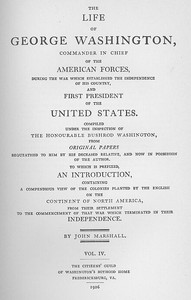
The Life of George Washington, Vol. 4: Commander in Chief of the American Forces During the War; which Established the Independence of his Country and First; President of the United States
Written by John Marshall
Chaptra reads alongside you — AI insights, chapter breakdowns and reader discussions for every book. Join free
About this book
Reading guide
Themes, characters and key ideas in The Life of George Washington, Vol. 4: Commander in Chief of the American Forces During the War; which Established the Independence of his Country and First; President of the United States, written by Chaptra AI.
- about 15 hours
- advanced
- Historical
- Serious
- Informative
John Marshall's 'The Life of George Washington, Vol. 4' meticulously chronicles the pivotal latter stages of the American Revolutionary War, focusing intently on the challenging military campaigns in the southern states, particularly in 1781. The volume highlights General Nathanael Greene's strategic brilliance and perseverance in reclaiming territories from British control, often against formidable odds, and the profound hardships endured by both soldiers and civilians. It details key engagements and political maneuvers that ultimately led to American independence, setting the stage for Washington's indispensable role in the formation of the United States. Marshall provides an authoritative account of Washington's leadership, culminating in the establishment of the presidency and the foundations of national governance.
“The trials of the Southern theatre, though often overshadowed, were no less critical to the final triumph of American arms.”
Key themes
- Leadership and Command
- This theme is paramount, explored through the actions of Washington, Greene, and other military figures. Marshall highlights the qualities necessary for effective leadership during wartime and nation-building: strategic foresight, resilience under pressure, moral authority, the ability to inspire troops, and the sagacity to navigate complex political landscapes. The book emphasizes how Washington's overarching command and Greene's tactical brilliance were essential to securing victory.
- The Struggle for Independence and Nation-Building
- The overarching theme of the entire biography, this volume specifically details the final, arduous military phases that secured independence and the immediate challenges of establishing a viable government. It showcases the immense effort, sacrifice, and political maneuvering required not only to win a war but also to lay the foundations for a lasting nation-state. The transition from military conflict to constitutional governance is a central focus.
- Sacrifice and Perseverance
- Marshall vividly portrays the immense hardships endured by the Continental Army and the civilian population. This theme underscores the human cost of war, the resilience required to continue fighting against overwhelming odds, and the profound sacrifices made by individuals for the collective goal of independence. It highlights the determination of the American forces and populace in the face of famine, disease, and military setbacks.
Worth discussing
How does Marshall's perspective as a contemporary and future Chief Justice influence his portrayal of Washington and the Revolution?
Chapter-by-chapter breakdowns, character arcs and the full thematic analysis come with a free account.
Discussions
No one has started one yet
Questions this book opens up
No discussions yet
Be the first to start a discussion about this book!
Sign up to start the discussionReviews
No reviews yet
Be the first to review this book!