
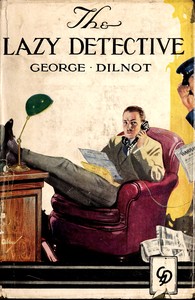
The lazy detective
Written by George Dilnot
Chaptra reads alongside you — AI insights, chapter breakdowns and reader discussions for every book. Join free
About this book
Reading guide
Themes, characters and key ideas in The lazy detective, written by Chaptra AI.
- about 8 hours
- intermediate
- mysterious
- suspenseful
- introspective
George Dilnot's "The Lazy Detective" introduces Divisional Detective Inspector Harry Labar, a Scotland Yard officer whose reputation for idleness belies a keen investigative mind. Set in the early 20th century, the novel plunges Labar into a high-stakes jewel heist orchestrated by the enigmatic crime boss Larry Hughes, all while he navigates pressure from his superiors and a mysterious bribe. His unique, seemingly lethargic approach to police work is tested as he unravels a complex web of deceit involving millionaire Solly Gertstein's companion, Miss Penelope Noelson, and his own personal entanglements. The story explores themes of appearance versus reality, professional integrity, and the unconventional methods of justice in a world of escalating crime.
“"They call me lazy, Chief, but a still pond often runs the deepest."”
Key themes
- Appearance vs. Reality
- This theme is central to the character of Inspector Harry Labar, whose outward 'laziness' belies a sharp, observant mind and effective investigative techniques. The novel explores how perceptions can be deceiving, and that true competence or danger might be hidden beneath a surface impression. It questions whether what is seen is truly what is real, both in Labar's methods and the intricate deceptions of the criminals.
- Integrity and Corruption
- The theme of integrity is immediately challenged by the unexpected bribe Labar receives. This forces him to confront questions of moral rectitude, especially as he operates within a system under pressure from rising crime and potentially corrupting influences. The novel explores the fine line between personal gain and professional duty, and the various forms corruption can take, from outright bribery to systemic pressures.
- The Unconventional Hero
- This theme explores the idea that heroism and competence can manifest in unexpected ways, particularly through Inspector Labar's character. His 'laziness' is a deliberate subversion of the active, often physically dynamic detective hero. The novel champions intellectual prowess, keen observation, and strategic inaction over brute force or overt dynamism, suggesting that true strength lies in unique approaches and understanding human nature.
Worth discussing
How does Inspector Labar's 'laziness' actually serve as a unique investigative method, and what are its strengths and weaknesses?
Chapter-by-chapter breakdowns, character arcs and the full thematic analysis come with a free account.
Discussions
No one has started one yet
Questions this book opens up
No discussions yet
Be the first to start a discussion about this book!
Sign up to start the discussionReviews
No reviews yet
Be the first to review this book!