
The AI reading companion for people who take books seriously
AI insights, chapter breakdowns, community discussions — all in one place.
The Layton Court mystery
About this book
More by Anthony Berkeley
Browse all books by this authorExplore Detective and mystery stories Books
Discover more Detective and mystery stories literature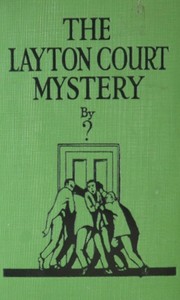
Click "Read now" to open in our Reader with AI features.
Community Discussions
Join the conversation about this book
Discussions
0 discussions
No discussions yet
Be the first to start a discussion about this book!
Sign up to start the discussionAI-Powered Insights
A clearer way to understand The Layton Court mystery through themes, characters, and key ideas
This reading guide highlights what stands out in The Layton Court mystery through 3 core themes, 4 character profiles. It is meant to help readers decide whether the book fits their taste and deepen the reading once they begin.
About this book
A quick AI guide to “The Layton Court mystery”
Get the shape of the book before you commit: what it is about, what mood it carries, and what ideas readers tend to stay with afterward.
What the book is doing
Anthony Berkeley's "The Layton Court Mystery" introduces readers to the charming but complex world of early 20th-century English society, where a seemingly idyllic summer at a country estate is shattered by tragedy. The novel centers on amateur detective Roger Sheringham, an author with a keen intellect and dynamic personality, as he investigates the perplexing death of his host, Victor Stanworth, initially ruled a suicide. As Sheringham delves deeper, he uncovers a web of secrets, hidden tensions, and deceptive appearances among the seemingly respectable guests. The narrative masterfully blends lighthearted dialogue with the unfolding, haunting mystery, setting the stage for a compelling exploration of human nature, motive, and the pursuit of truth.
Key Themes
Deception and Appearance vs. Reality
This theme is central to the mystery, as the idyllic setting and seemingly respectable characters at Layton Court conceal a complex web of lies, hidden motives, and secret lives. The initial apparent suicide is the first layer of deception, which Sheringham meticulously peels back to reveal a darker truth, exposing how individuals maintain facades and how easily appearances can mislead.
Human Psychology and Motivation
Berkeley delves into the complex motivations behind human actions, particularly in the context of crime. The novel moves beyond a simple 'whodunit' to explore the 'whydunit,' examining the psychological states, desires, fears, and resentments that drive individuals to extreme acts or to conceal the truth. Sheringham's method often involves dissecting the personalities and relationships of the suspects.
“"The calmest surfaces, Sheringham mused, often concealed the most turbulent depths."”
How does Berkeley use the country house setting to enhance the mystery and explore social dynamics?
See chapter-by-chapter takeaways, deeper character arcs, and a fuller literary analysis built around this book.
Unlock full AI analysis for “The Layton Court mystery”
Chapter breakdowns, character deep-dives, and thematic analysis — all in one place.
Reader Reviews
See what others are saying
Reviews
Overall Rating
Based on community ratings
No reviews yet
Be the first to review this book!
Readers Also Enjoyed
Discover more books similar to The Layton Court mystery