
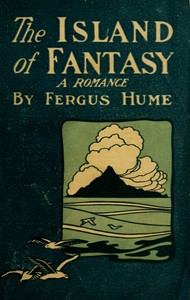
The Island of Fantasy: A Romance
Written by Fergus Hume
Chaptra reads alongside you — AI insights, chapter breakdowns and reader discussions for every book. Join free
About this book
Read it with a club
Chaptra's love and romance clubs — small groups reading the same books and talking as they go.


Enemies to Lovers Tribunal
Love and romance
- 4 members
- 4 discussions
- Active Sep 11
One trope, examined to destruction. We rank them, we argue, and we throw out the ones that are really just "he was rude once at a party". This is a Chaptra house club — set up and moderated by us to get the conversation going. Open to everyone; jump in anywhere.
Read The Island of Fantasy: A Romance alongside people who are reading it too.
Also here: Hopeless Romantics Anonymous
Chaptra Prime — paid clubs, every club feature, and unlimited reading support, for $5 a month or $60 once.
See PrimeReading guide
Themes, characters and key ideas in The Island of Fantasy: A Romance, written by Chaptra AI.
- about 8 hours
- intermediate
- melancholic
- romantic
- introspective
“The Island of Fantasy: A Romance” by Fergus Hume presents the profound existential crisis of Maurice Roylands, a wealthy yet deeply melancholic young man in the late 19th century, plagued by ennui and a pervasive sense of purposelessness. The narrative opens with Maurice's introspective discussions about happiness and love with his friend, the rector, revealing his artistic aspirations and disillusionment despite his material comforts. The arrival of his aunt and cousin, Eunice, introduces a romantic dynamic, with the rector suggesting love as a potential cure for Maurice's malaise. As the poet Crispin enters the scene, Maurice's journey toward self-discovery and potential redemption begins, exploring the complexities of human relationships and the transformative power of companionship.
“"What profit is there in all my comforts, Rector, when the soul itself finds no comfort within?"”
Key themes
- Existential Despair and Ennui
- This is the central theme, epitomized by Maurice Roylands's profound sense of purposelessness and melancholy despite his wealth. The novel explores the psychological state of a man who lacks for nothing materially but feels spiritually impoverished, questioning the meaning of life itself. It reflects the fin-de-siècle anxieties about the emptiness of modern existence and the inability of material comfort to provide true happiness.
- The Redemptive Power of Love and Companionship
- The novel posits love as the primary antidote to Maurice's existential despair. Through the rector's guidance and the introduction of Eunice, the narrative explores the idea that genuine human connection, empathy, and romantic love can pull an individual out of self-absorption and give life purpose and joy. It's a classic romantic theme but explored with psychological depth.
- Artistic Ambition vs. Disillusionment
- Maurice's unfulfilled artistic aspirations highlight the struggle between creative ideals and the harsh realities or perceived emptiness of life. This theme explores how the pursuit of art can either be a source of profound meaning or, when frustrated or uninspired, can deepen a sense of disillusionment and purposelessness. It also touches on the role of the artist in society.
Worth discussing
How does Maurice's wealth contribute to or exacerbate his sense of ennui? Is this a common theme in literature?
Chapter-by-chapter breakdowns, character arcs and the full thematic analysis come with a free account.
Discussions
No one has started one yet
Questions this book opens up
No discussions yet
Be the first to start a discussion about this book!
Sign up to start the discussionReviews
No reviews yet
Be the first to review this book!