
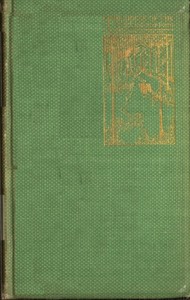
The House of the Trees & Other Poems
Written by A. Ethelwyn Wetherald
Chaptra reads alongside you — AI insights, chapter breakdowns and reader discussions for every book. Join free
About this book
Reading guide
Themes, characters and key ideas in The House of the Trees & Other Poems, written by Chaptra AI.
- about 8 hours
- intermediate
- reflective
- serene
- melancholy
A. Ethelwyn Wetherald's "The House of the Trees & Other Poems" is a poignant late 19th-century collection that delves into the profound connection between humanity and the natural world. Through lush imagery and sensory detail, Wetherald explores the cyclical beauty of seasons, from the vibrant awakening of spring to the serene stillness of winter, using nature as a mirror for human emotions and spiritual introspection. The poems traverse themes of joy, melancholy, and the transient nature of existence, inviting readers to find solace and complexity within the earth's embrace. This collection stands as a testament to nature's enduring influence on the human spirit, fostering a deep appreciation for life's intricate rhythms and fleeting moments.
“The wind of death, it whispers low, / Where ancient cedars softly moan.”
Key themes
- The Interconnectedness of Humanity and Nature
- This theme explores the profound and symbiotic relationship between human beings and the natural environment. Wetherald consistently portrays nature not merely as a backdrop but as an active participant in human experience, influencing emotions, offering solace, and reflecting the complexities of the human spirit. The poems suggest that humanity is an integral part of the natural world, subject to its cycles and reliant on its beauty and wisdom for spiritual nourishment.
- The Passage of Time and Fleetingness of Life
- Wetherald frequently juxtaposes the enduring cycles of nature with the transient, often ephemeral, nature of human life. The changing seasons serve as a constant reminder of time's relentless march and the inevitability of change, decay, and rebirth. This theme evokes both a sense of melancholy for what is lost and an appreciation for the preciousness of each fleeting moment.
- Solace and Spiritual Reflection in Nature
- For Wetherald, nature is a profound source of spiritual comfort, introspection, and emotional healing. The speaker often retreats into natural settings to escape the complexities of human society, to process grief, or to find clarity and peace. The quiet contemplation of natural beauty leads to deeper self-awareness and a sense of connection to something larger than oneself, suggesting a spiritual dimension to the natural world.
Worth discussing
How does Wetherald personify nature, and what effect does this have on the reader's understanding of the natural world?
Chapter-by-chapter breakdowns, character arcs and the full thematic analysis come with a free account.
Discussions
No one has started one yet
Questions this book opens up
No discussions yet
Be the first to start a discussion about this book!
Sign up to start the discussionReviews
No reviews yet
Be the first to review this book!