
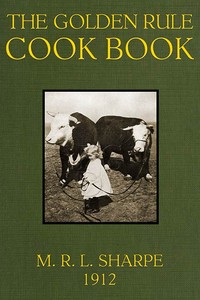
The Golden Rule Cook Book: Six hundred recipes for meatless dishes
Written by M. R. L. (Maud Russell Lorraine) Sharpe
Chaptra reads alongside you — AI insights, chapter breakdowns and reader discussions for every book. Join free
About this book
Reading guide
Themes, characters and key ideas in The Golden Rule Cook Book: Six hundred recipes for meatless dishes, written by Chaptra AI.
- about 8 hours
- intermediate
- Instructive
- Ethical
- Compassionate
M. R. L. Sharpe's "The Golden Rule Cook Book" is a pioneering early 20th-century collection of six hundred meatless recipes, serving as both a practical culinary guide and a fervent philosophical treatise on vegetarianism. The book begins with a compelling introduction where Sharpe advocates for a meat-free lifestyle, grounding her arguments in ethical considerations for animal welfare and the profound health benefits for humans. It seeks to educate readers on the importance of compassion while demonstrating that a properly executed vegetarian diet can be both nutritious and flavorful. The work functions as a comprehensive resource, appealing to both experienced vegetarians and those newly exploring a plant-based diet, aiming to inspire a fulfilling and ethically sound way of eating.
“"The Golden Rule, as applied to our fellow creatures, demands that we treat them with kindness and refrain from inflicting unnecessary suffering."”
Key themes
- Ethical Vegetarianism and Animal Welfare
- This is the cornerstone theme, emphasized heavily in the introduction. Sharpe advocates for vegetarianism primarily on the grounds of humane treatment for animals, linking it to a broader 'Golden Rule' of compassion. The book argues that avoiding meat is a moral imperative, reducing suffering and promoting a more benevolent relationship between humans and the animal kingdom.
- Health and Nutrition in a Meatless Diet
- Sharpe robustly defends the nutritional adequacy and health benefits of a vegetarian diet, directly countering common early 20th-century skepticism. She asserts that a properly executed meatless diet does not sacrifice essential nutrients and can contribute to overall well-being, emphasizing its role in human health.
- Education and Advocacy
- Sharpe positions herself as an educator and advocate, using the cookbook format to convey not just instructions but also a worldview. The introduction is a powerful piece of advocacy, aiming to convert readers to the vegetarian cause by presenting compelling arguments and countering prevalent misconceptions. The entire book is an act of persuasion and guidance.
Worth discussing
How do M. R. L. Sharpe's ethical arguments for vegetarianism compare to modern ethical arguments for plant-based diets?
Chapter-by-chapter breakdowns, character arcs and the full thematic analysis come with a free account.
Discussions
No one has started one yet
Questions this book opens up
No discussions yet
Be the first to start a discussion about this book!
Sign up to start the discussionReviews
No reviews yet
Be the first to review this book!