
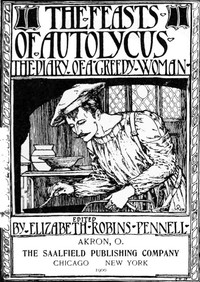
The Feasts of Autolycus: The Diary of a Greedy Woman
Written by Elizabeth Robins Pennell
Chaptra reads alongside you — AI insights, chapter breakdowns and reader discussions for every book. Join free
About this book
Reading guide
Themes, characters and key ideas in The Feasts of Autolycus: The Diary of a Greedy Woman, written by Chaptra AI.
- about 6 hours
- intermediate
- intellectual
- appreciative
- witty
Elizabeth Robins Pennell's "The Feasts of Autolycus: The Diary of a Greedy Woman" is a late 19th-century collection of culinary essays that transcends mere recipe-sharing, instead presenting a passionate defense and celebration of gastronomy as an art form. Pennell, writing from a self-proclaimed "greedy woman's" perspective, challenges societal perceptions of gluttony as a vice, reframing it as an appreciation for the profound joys and artistry of food. Through her reflective diary entries, she aims to elevate women's understanding and engagement with the culinary world, critiquing restrictive gender roles and highlighting food's influence on life, health, and relationships with wit and erudition. The work is a unique blend of personal reflection, cultural critique, and an ardent tribute to the pleasures of the table, advocating for a more conscious and appreciative approach to dining. It stands as a foundational text in the intellectual history of food writing.
“Gluttony is not a vice, but an art, a tribute to the joy of eating.”
Key themes
- Gastronomy as Art and Philosophy
- Pennell consistently argues against the reduction of eating to mere sustenance, elevating it instead to a sophisticated art form deserving of intellectual appreciation and dedicated practice. She treats food preparation and consumption as aesthetic experiences, akin to appreciating music or painting. This theme explores the historical, cultural, and sensory dimensions of food, positioning the culinary world as a realm for creativity, discernment, and profound pleasure.
- Gender Roles and the Culinary Arts
- Pennell critically examines and challenges the traditional late 19th-century expectations placed upon women in the kitchen. She argues against the notion of cooking as solely a domestic chore, advocating for women to engage with food preparation and dining on an intellectual and artistic level. She implicitly pushes back against the idea that women's culinary efforts should be limited to utilitarian household management, encouraging them to find creativity and pleasure in the gastronomic process.
- The Reclamation of Pleasure and Sensory Experience
- At its heart, the book is a celebration of sensual pleasure, specifically the joy derived from eating and drinking well. Pennell directly confronts the moralistic condemnation of 'gluttony,' reframing it as a healthy, sophisticated appreciation of life's sensory richness. This theme champions the right to indulge in and savor experiences, advocating for a mindful and unashamed pursuit of epicurean delights. It's a call to embrace the full spectrum of human sensory experience, particularly through food, as a vital component of a fulfilling life.
Worth discussing
How does Pennell redefine "gluttony," and what is the significance of this redefinition in her time and ours?
Chapter-by-chapter breakdowns, character arcs and the full thematic analysis come with a free account.
Discussions
No one has started one yet
Questions this book opens up
No discussions yet
Be the first to start a discussion about this book!
Sign up to start the discussionReviews
No reviews yet
Be the first to review this book!