
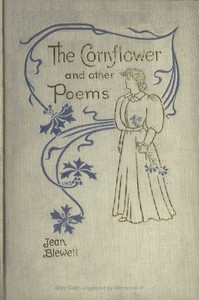
The Cornflower, and Other Poems
Written by Jean Blewett
Chaptra reads alongside you — AI insights, chapter breakdowns and reader discussions for every book. Join free
About this book
Reading guide
Themes, characters and key ideas in The Cornflower, and Other Poems, written by Chaptra AI.
- about 8 hours
- intermediate
- reflective
- nostalgic
- heartwarming
Jean Blewett's "The Cornflower, and Other Poems" is an early 20th-century collection that delves into the fabric of rural Canadian life through narrative and lyrical verse. The poems explore universal themes of love, the beauty of nature, and the intricate dynamics of human relationships, often set against the backdrop of prairie farming communities. Through relatable characters facing everyday challenges and personal reflections, Blewett invites readers to experience poignant scenarios filled with genuine emotion and insightful observations. The collection masterfully blends humor and sincerity, particularly in its opening piece, which sets a tone of thoughtful engagement with community, change, and the transformative power of human connection.
“"The prairie wind, it whispers low, of changes that we hardly know."”
Key themes
- The Transformative Power of Love and Connection
- This theme explores how human relationships, particularly burgeoning affection, can alter an individual's perspective and life. It's exemplified in the opening poem through the narrator's evolving feelings for the school-teacher, moving from annoyance to admiration and affection, symbolizing how connection can break down solitude and resistance to change.
- Nature and Rural Life
- Nature is not merely a backdrop but an integral part of the characters' lives and the thematic exploration. The poems often reflect on the beauty, harshness, and rhythms of the natural world, linking it to human experiences, resilience, and the simplicity of rural existence.
- Community and Belonging
- The collection frequently examines the dynamics of small, close-knit communities, particularly in rural settings. It explores how individuals fit into or resist the communal fabric, the shared experiences that bind people, and the collective response to outsiders or change.
Worth discussing
How does Blewett use the rural setting to enhance the emotional and thematic depth of her poems?
Chapter-by-chapter breakdowns, character arcs and the full thematic analysis come with a free account.
Discussions
No one has started one yet
Questions this book opens up
No discussions yet
Be the first to start a discussion about this book!
Sign up to start the discussionReviews
No reviews yet
Be the first to review this book!