
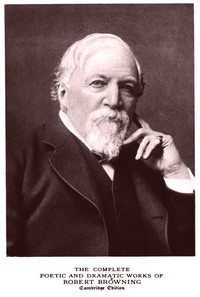
The Complete Poetic and Dramatic Works of Robert Browning: Cambridge Edition
Written by Robert Browning
Chaptra reads alongside you — AI insights, chapter breakdowns and reader discussions for every book. Join free
About this book
Reading guide
Themes, characters and key ideas in The Complete Poetic and Dramatic Works of Robert Browning: Cambridge Edition, written by Chaptra AI.
- about 100 hours
- advanced
- psychological
- philosophical
- introspective
The Complete Poetic and Dramatic Works of Robert Browning: Cambridge Edition is an exhaustive collection of the celebrated Victorian poet's entire literary output, encompassing poetry and drama from the mid-19th century. This compilation is renowned for showcasing Browning's pioneering mastery of the dramatic monologue, a form that allowed for profound explorations of human psychology, morality, and perception through the subjective voices of diverse characters. The collection is prefaced by a valuable biographical sketch, detailing Browning's formative years, intellectual influences, and the evolution of his distinctive poetic style from early imitations to his mature, complex works. It serves as an indispensable resource for understanding Browning's philosophical struggles, his innovative use of language, and his enduring impact on English literature, offering readers a comprehensive journey through his intricate characterizations and thematic depth.
“A man's reach should exceed his grasp, Or what's a heaven for?”
Key themes
- The Human Psyche and Moral Ambiguity
- Browning is unparalleled in his exploration of the intricate and often contradictory nature of the human mind. Through his dramatic monologues, he delves into the depths of characters' consciousness, revealing their hidden motivations, rationalizations, and often disturbing inner lives. He consistently presents morally ambiguous figures, challenging readers to suspend judgment and grapple with the complexities of good and evil, sanity and madness, and the subjective nature of truth.
- Art, Aesthetics, and the Artist's Role
- Browning frequently explores the nature of art, its purpose, and the challenges faced by artists. He examines the tension between artistic ideals and practical realities, the role of inspiration versus technique, and the artist's relationship with society, patronage, and personal desires. He often questions whether art should reflect reality, idealize it, or serve a moral purpose.
- Love, Obsession, and Power
- Many of Browning's poems delve into the complexities of human relationships, particularly focusing on love that borders on, or crosses into, obsession. He explores themes of possessiveness, jealousy, betrayal, and the destructive potential of unchecked desire. Often, love is intertwined with power dynamics, where one individual seeks to control or dominate another.
Worth discussing
How does Browning's use of the dramatic monologue allow for a unique exploration of human psychology and moral ambiguity?
Chapter-by-chapter breakdowns, character arcs and the full thematic analysis come with a free account.
Discussions
No one has started one yet
Questions this book opens up
No discussions yet
Be the first to start a discussion about this book!
Sign up to start the discussionReviews
No reviews yet
Be the first to review this book!