
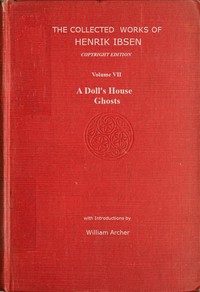
The collected works of Henrik Ibsen, Vol. 07 (of 11)
Written by Henrik Ibsen
Chaptra reads alongside you — AI insights, chapter breakdowns and reader discussions for every book. Join free
About this book
Reading guide
Themes, characters and key ideas in The collected works of Henrik Ibsen, Vol. 07 (of 11), written by Chaptra AI.
- about 8 hours
- advanced
- dark
- thought-provoking
- tragic
This volume, 'The Collected Works of Henrik Ibsen, Vol. 07 (of 11)', showcases two of Ibsen's most revolutionary and enduring plays: 'A Doll’s House' and 'Ghosts'. Both dramas are masterclasses in realism, dissecting the restrictive social conventions and moral hypocrisies of 19th-century bourgeois society. Through the profound personal awakenings of Nora Helmer and the tragic disillusionment of Mrs. Alving, Ibsen challenges prevailing notions of marriage, family, and individual freedom. The plays collectively represent a pivotal moment in dramatic literature, exposing the painful truths hidden beneath polite facades and advocating for a more authentic existence.
“I must stand quite alone if I am ever to understand myself and my relation to things.”
Key themes
- Social Hypocrisy and Appearance vs. Reality
- Both plays savagely critique the 19th-century bourgeois obsession with maintaining a respectable facade, even at the cost of truth and individual happiness. Characters live lies to conform to societal expectations, leading to immense personal suffering and tragic consequences.
- Individual Freedom vs. Societal Expectations
- A central conflict in both plays is the struggle of individuals, particularly women, to assert their autonomy and find their true selves against the crushing weight of societal norms, traditional gender roles, and familial obligations.
- The Burden of the Past / Heredity
- Especially prominent in 'Ghosts', this theme explores how the actions, lies, and moral failings of the past continue to haunt and destroy the present. It suggests a form of determinism, where characters are victims of inherited traits, diseases, or the consequences of previous generations' deceptions.
Worth discussing
How do Nora's and Mrs. Alving's journeys challenge the traditional roles of women in 19th-century society and how relevant are these challenges today?
Chapter-by-chapter breakdowns, character arcs and the full thematic analysis come with a free account.
Discussions
No one has started one yet
Questions this book opens up
No discussions yet
Be the first to start a discussion about this book!
Sign up to start the discussionReviews
No reviews yet
Be the first to review this book!