
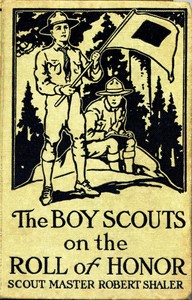
The Boy Scouts on the Roll of Honor
Written by Robert Shaler
Chaptra reads alongside you — AI insights, chapter breakdowns and reader discussions for every book. Join free
About this book
Reading guide
Themes, characters and key ideas in The Boy Scouts on the Roll of Honor, written by Chaptra AI.
- about 7 hours
- intermediate
- uplifting
- adventurous
- inspirational
Robert Shaler's "The Boy Scouts on the Roll of Honor" is an early 20th-century adventure tale centered on the Oakvale Troop, particularly the resourceful Hugh Hardin. The story begins with Hugh, Billy Worth, and Arthur Cameron returning from a charitable nut-gathering trip, reflecting on their commitment to scouting principles. Their holiday plans take an unexpected turn when Gus Merrivale invites them to a deserted logging camp, leading them into a perilous journey. Faced with a fierce storm and the challenge of locating Gus's estranged and troubled brother, Sam, the scouts must embody bravery, camaraderie, and the core tenets of their organization. The narrative serves as a testament to friendship, resilience, and the moral compass of the Boy Scout movement in the face of adversity.
“A Scout is trustworthy, loyal, helpful, friendly, courteous, kind, obedient, cheerful, thrifty, brave, clean, and reverent.”
Key themes
- Bravery and Resourcefulness
- This theme is central to the narrative, showcasing how the Boy Scout training equips individuals to face and overcome challenges. The scouts' ability to navigate a fierce storm, track a missing person, and survive in the wilderness directly demonstrates their bravery in the face of danger and their resourcefulness in utilizing their skills and available tools.
- Camaraderie and Friendship
- The bond between the scouts is a foundational element of the story. Their unwavering support for each other, their collective effort in the face of adversity, and their shared commitment to Gus's family dilemma highlight the strength and importance of true friendship and teamwork.
- Duty and Responsibility
- The scouts demonstrate a strong sense of duty, both to their community (the orphans) and to individuals in need (Sam Merrivale). This theme explores the moral obligation to help others, especially when they are vulnerable or have strayed from a righteous path, reflecting the 'helpful' and 'kind' tenets of the Scout Law.
Worth discussing
How does the book portray the core values of the Boy Scout movement? Are these values still relevant today?
Chapter-by-chapter breakdowns, character arcs and the full thematic analysis come with a free account.
Discussions
No one has started one yet
Questions this book opens up
No discussions yet
Be the first to start a discussion about this book!
Sign up to start the discussionReviews
No reviews yet
Be the first to review this book!