
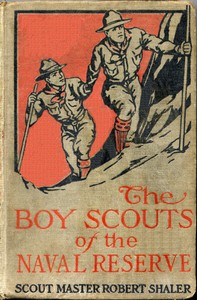
The Boy Scouts of the Naval Reserve
Written by Robert Shaler
Chaptra reads alongside you — AI insights, chapter breakdowns and reader discussions for every book. Join free
About this book
Reading guide
Themes, characters and key ideas in The Boy Scouts of the Naval Reserve, written by Chaptra AI.
- about 7 hours
- intermediate
- uplifting
- adventurous
- wholesome
Robert Shaler's "The Boy Scouts of the Naval Reserve" is a classic work of early 20th-century juvenile fiction, following the adventures of patrol leader Hugh Hardin and his fellow scouts, Arthur and Billy. The narrative emphasizes core Boy Scout values such as teamwork, bravery, and outdoor proficiency, set against the backdrop of thrilling escapades. The story begins with the boys' seemingly innocent exploration of Cedar Hill, which quickly escalates into a challenging situation involving a mysterious bear and an injured individual. This incident serves as a catalyst, testing their camaraderie and readiness to apply their scout training to help those in distress, a lesson that underpins the entire series.
“A true scout never turns his back on someone in need, be it man or beast.”
Key themes
- Teamwork and Camaraderie
- The book heavily emphasizes the power of collective effort and the strong bonds between the scouts. It illustrates how diverse skills and personalities, when united, can overcome significant challenges, reinforcing the idea that shared responsibility and mutual support are crucial for success.
- Bravery and Resourcefulness
- The scouts consistently demonstrate courage in the face of the unknown and ingenuity in solving problems. This theme celebrates the ability to remain calm and think critically when faced with danger or unexpected obstacles, using available tools and knowledge to find solutions.
- Leadership and Responsibility
- Explored primarily through Hugh Hardin's role as patrol leader, this theme examines the qualities of effective leadership: decision-making under pressure, guiding others, and taking accountability for the well-being of the group. It highlights the moral and practical obligations that come with authority.
Worth discussing
How does the book portray leadership through Hugh Hardin, and what qualities does it emphasize?
Chapter-by-chapter breakdowns, character arcs and the full thematic analysis come with a free account.
Discussions
No one has started one yet
Questions this book opens up
No discussions yet
Be the first to start a discussion about this book!
Sign up to start the discussionReviews
No reviews yet
Be the first to review this book!