
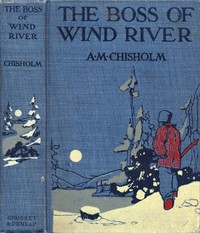
The Boss of Wind River
Written by A. M. (Arthur Murray) Chisholm
Chaptra reads alongside you — AI insights, chapter breakdowns and reader discussions for every book. Join free
About this book
Reading guide
Themes, characters and key ideas in The Boss of Wind River, written by Chaptra AI.
- about 8 hours
- intermediate
- Determined
- Challenging
- Hopeful
A. M. Chisholm's "The Boss of Wind River" is an early 20th-century novel chronicling the arduous journey of young Joe Kent, who inherits his father's struggling lumber business burdened by debt and a demanding industry. Thrust into a world of complex business dealings and skeptical employees, Joe must quickly mature, relying on a posthumous letter of guidance from his father and the insights of seasoned colleagues like Wright and Locke. The narrative meticulously details Joe's struggles to navigate financial pressures, maintain his father's legacy, and ultimately assert his leadership in a challenging and evolving industrial landscape. It is a compelling tale of resilience, responsibility, and the transformative power of adversity in the face of overwhelming odds.
“"A man's true measure is not in what he inherits, but in what he builds from the ashes of expectation."”
Key themes
- Legacy and Responsibility
- The central theme revolves around Joe inheriting his father's business and the immense burden of responsibility that comes with it. This includes not only the financial debts but also the moral obligation to uphold his father's name and the well-being of the employees and community dependent on the company. The father's posthumous letter serves as a constant reminder of this legacy.
- Coming-of-Age and Self-Discovery
- Joe Kent's journey is a classic bildungsroman, as he is thrust into a demanding adult world and must rapidly mature. He learns about business, leadership, and his own inner strength through the trials and tribulations of managing the lumber company. His initial naivete gives way to shrewdness and confidence.
- Business Ethics vs. Practicality
- The novel explores the tension between maintaining ethical business practices and making pragmatic, often difficult, decisions to ensure survival in a competitive and unforgiving industry. Joe must navigate a world where shrewdness can border on ruthlessness, and he strives to uphold his father's values while adapting to the realities of the market.
Worth discussing
How does Joe's father's letter shape his decisions and character development throughout the novel? What role does posthumous mentorship play?
Chapter-by-chapter breakdowns, character arcs and the full thematic analysis come with a free account.
Discussions
No one has started one yet
Questions this book opens up
No discussions yet
Be the first to start a discussion about this book!
Sign up to start the discussionReviews
No reviews yet
Be the first to review this book!