
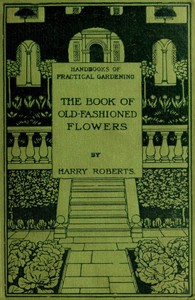
The Book of Old-Fashioned Flowers: And Other Plants Which Thrive in the Open-Air of England
Written by Harry Roberts
Chaptra reads alongside you — AI insights, chapter breakdowns and reader discussions for every book. Join free
About this book
Reading guide
Themes, characters and key ideas in The Book of Old-Fashioned Flowers: And Other Plants Which Thrive in the Open-Air of England, written by Chaptra AI.
- about 8 hours
- intermediate
- nostalgic
- peaceful
- instructive
Harry Roberts' "The Book of Old-Fashioned Flowers" is an early 20th-century gardening guide advocating for the cultivation of traditional, hardy flowering plants in English open-air settings. Targeting novices, the book champions an informal garden aesthetic, contrasting it with rigid, formal designs by promoting a harmonious blend of naturally thriving blooms. Roberts emphasizes the practical experience inherent in gardening while providing intelligent readers with a well-written guide to achieve tranquil and beautiful garden spaces. The work evokes a sense of nostalgia for classic cottage and vicarage gardens, celebrating the inherent peace derived from cultivating plants that feel genuinely at home.
“True beauty in gardening comes not just from a careful arrangement of plants, but from the harmonious growing of flowers that feel naturally at home in their environment, each contributing to a sense of peace and relaxation in one’s garden space.”
Key themes
- Natural Beauty vs. Artificiality
- This theme is central to Roberts' argument, advocating for a garden aesthetic that prioritizes the natural growth and harmonious integration of plants over rigid, formal, or overly designed arrangements. He critiques artificiality in favor of an organic, relaxed beauty, emphasizing what feels 'naturally at home'.
- Nostalgia and Tradition
- The book deliberately taps into a collective memory and affection for traditional English gardens, evoking a sense of longing for simpler times and established beauty. The focus on 'old-fashioned varieties' is a direct appeal to heritage and continuity, connecting gardeners to a rich past.
- Peace and Relaxation through Gardening
- Beyond aesthetic appeal, Roberts positions gardening, particularly with his advocated naturalistic approach, as a means to achieve inner tranquility and mental well-being. The garden is presented not just as a visual delight but as a sanctuary that fosters calm.
Worth discussing
How does Roberts' philosophy of 'harmonious growing' contrast with contemporary trends in garden design or landscaping?
Chapter-by-chapter breakdowns, character arcs and the full thematic analysis come with a free account.
Discussions
No one has started one yet
Questions this book opens up
No discussions yet
Be the first to start a discussion about this book!
Sign up to start the discussionReviews
No reviews yet
Be the first to review this book!