
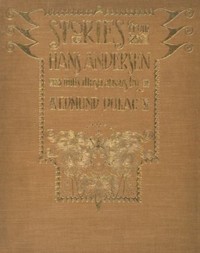
Stories from Hans Andersen
Written by H. C. (Hans Christian) Andersen
Chaptra reads alongside you — AI insights, chapter breakdowns and reader discussions for every book. Join free
About this book
Reading guide
Themes, characters and key ideas in Stories from Hans Andersen, written by Chaptra AI.
- about 10 hours
- intermediate
- whimsical
- melancholy
- enchanting
H. C. Andersen's "Stories from Hans Andersen" is a seminal collection of early 19th-century fairy tales that transcends simple children's narratives, offering profound explorations of the human condition. This timeless anthology, featuring renowned stories like "The Snow Queen," "The Nightingale," and "The Emperor's New Clothes," blends enchanting characters with often poignant moral lessons. Andersen masterfully employs richly imaginative narratives to delve into universal themes such as the transformative power of love, the necessity of sacrifice, the battle between good and evil, and the deceptive nature of appearances. Through tales that are both whimsical and melancholic, the collection captivates readers of all ages, inviting deep reflection on innocence, resilience, and the complexities of life.
“"The whole world is a series of miracles, but we're so used to them we call them ordinary things."”
Key themes
- The Power of Love and Devotion
- This theme is central to many of Andersen's tales, most prominently in "The Snow Queen," where Gerda's unwavering love for Kay enables her to overcome impossible obstacles. It suggests that genuine love, whether familial or platonic, is a transformative and redemptive force capable of thawing even the coldest hearts and healing the deepest wounds. It's often portrayed as a spiritual strength that triumphs over cynicism and despair.
- Good vs. Evil and Moral Lessons
- Andersen's stories frequently explore the struggle between good and evil, not always as external forces but often as internal battles within characters or societal structures. Evil is often depicted as coldness, vanity, or superficiality, while good is associated with warmth, humility, and genuine compassion. Many tales serve as moral allegories, teaching lessons about virtue, consequences, and the importance of inner character over outward appearance.
- Innocence, Loss, and Redemption
- Andersen frequently explores the fragility of innocence, its loss through exposure to the world's harshness or corruption, and the possibility of redemption. Many characters begin in a state of childlike purity, face trials that threaten to destroy it, and either succumb to or overcome these challenges, often emerging with a deeper, more resilient form of goodness. The journey itself is often a painful but necessary path to maturity and self-discovery.
Worth discussing
How do Andersen's tales differ from traditional folk tales, particularly in their endings and moral complexities?
Chapter-by-chapter breakdowns, character arcs and the full thematic analysis come with a free account.
Discussions
No one has started one yet
Questions this book opens up
No discussions yet
Be the first to start a discussion about this book!
Sign up to start the discussionReviews
No reviews yet
Be the first to review this book!