
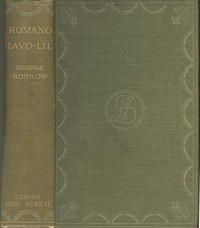
Romano Lavo-Lil: Word Book of the Romany; Or, English Gypsy Language: With Specimens of Gypsy Poetry, and an Account of Certain Gypsyries or Places Inhabited by Them, and of Various Things Relating to Gypsy Life in England
Written by George Borrow
Chaptra reads alongside you — AI insights, chapter breakdowns and reader discussions for every book. Join free
About this book
Reading guide
Themes, characters and key ideas in Romano Lavo-Lil: Word Book of the Romany; Or, English Gypsy Language: With Specimens of Gypsy Poetry, and an Account of Certain Gypsyries or Places Inhabited by Them, and of Various Things Relating to Gypsy Life in England, written by Chaptra AI.
- about 12 hours
- advanced
- Informative
- Scholarly
- Cultural
George Borrow's "Romano Lavo-Lil" is a pioneering 19th-century linguistic and cultural study dedicated to the Romany language, or English Gypsy tongue. The book offers a comprehensive vocabulary, delves into grammatical structures, and explores the etymological origins and evolution of Romany words. Beyond linguistics, Borrow provides rich insights into the customs, poetry, and 'Gypsyries' (settlements) of the Romany people in England, aiming to document and preserve a unique cultural heritage. Through a blend of scholarly analysis and personal observation, Borrow invites readers to engage with the complexities and nuances of a language he perceives as both rich and fragmented, advocating for its recognition and understanding. It stands as a significant, albeit historically situated, attempt to record the language and life of a marginalized community.
“Dook, dook, dook, poor little dook, / I'm a Romany chal, so what shall I do?”
Key themes
- Language and Identity
- This theme explores how the Romany language is not merely a means of communication but a fundamental aspect of Romany identity, linking individuals to their ancestral heritage and distinguishing them as a unique cultural group. Borrow meticulously demonstrates how the language embodies their history, worldview, and collective memory.
- Cultural Preservation
- Borrow's work is driven by a strong impulse to document and preserve the Romany language and culture, which he perceives as being under threat from assimilation into mainstream English society. He acts as an archivist, attempting to capture a fleeting cultural essence before it is lost.
- The Romanticism of the 'Other'
- Borrow's portrayal of the Romany people often reflects a 19th-century romanticized view of marginalized or 'exotic' cultures. While sympathetic, this perspective can idealize or simplify Romany life, focusing on their perceived freedom and distinctiveness rather than the socio-economic challenges they faced.
Worth discussing
How does Borrow's 'Romano Lavo-Lil' contribute to our understanding of the Romany language and culture, and what are its limitations from a modern perspective?
Chapter-by-chapter breakdowns, character arcs and the full thematic analysis come with a free account.
Discussions
No one has started one yet
Questions this book opens up
No discussions yet
Be the first to start a discussion about this book!
Sign up to start the discussionReviews
No reviews yet
Be the first to review this book!