
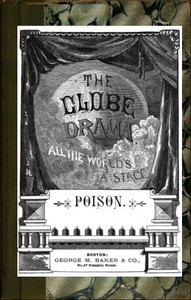
Poison: A Farce
Written by George M. (George Melville) Baker
Chaptra reads alongside you — AI insights, chapter breakdowns and reader discussions for every book. Join free
About this book
Reading guide
Themes, characters and key ideas in Poison: A Farce, written by Chaptra AI.
- about 8 hours
- beginner
- humorous
- lighthearted
- chaotic
George M. Baker's "Poison: A Farce" is a lively late 19th-century comedic play centered on the hapless Mr. Theophilus Twitters, a retired sugar merchant. As Twitters attempts to embark on a journey, his plans are continually derailed by a series of domestic interruptions and escalating misunderstandings. The chaos unfolds primarily in his breakfast room, where the presence of his daughter's suitor, Dr. Squillcox, and his formidable mother-in-law only adds to the comedic complications. A mysterious letter warning of poison in his sugar ignites a chain reaction of mistaken identities and absurd assumptions, transforming a simple morning into a farcical ordeal. The play culminates in an outrageous and humorous resolution, where the true motives and identities behind the chaos are revealed, ensuring a thoroughly entertaining theatrical experience.
“"Poison! In my sugar? Good heavens, I've been stirring my own demise into my morning coffee!"”
Key themes
- Misunderstanding & Miscommunication
- This is the central engine of the farce. The entire plot is driven by characters misinterpreting intentions, words, and actions, particularly Mr. Twitters' misreading of the 'poison' letter and his subsequent misinterpretations of everyone around him. The play highlights how easily assumptions can lead to chaos.
- Mistaken Identity & Assumption
- Closely tied to miscommunication, this theme focuses on characters making incorrect assumptions about others' roles, motives, or characteristics. Twitters assumes everyone is part of a plot, while other characters might assume Twitters is simply eccentric or ill, rather than genuinely paranoid.
- Domestic Chaos & The Breakdown of Order
- The play uses the seemingly mundane setting of a suburban breakfast room to explode into utter pandemonium. This theme explores how a single disruption can unravel the fabric of domestic peace and routine, highlighting the fragility of order in everyday life when confronted with absurd circumstances.
Worth discussing
How does Baker use the domestic setting of the breakfast room to heighten the comedic chaos?
Chapter-by-chapter breakdowns, character arcs and the full thematic analysis come with a free account.
Discussions
No one has started one yet
Questions this book opens up
No discussions yet
Be the first to start a discussion about this book!
Sign up to start the discussionReviews
No reviews yet
Be the first to review this book!