
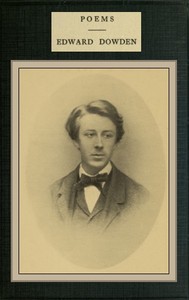
Poems
Written by Edward Dowden
Chaptra reads alongside you — AI insights, chapter breakdowns and reader discussions for every book. Join free
About this book
Reading guide
Themes, characters and key ideas in Poems, written by Chaptra AI.
- about 8 hours
- advanced
- contemplative
- melancholy
- appreciative
Edward Dowden's "Poems" is a late 19th-century collection that delves into the poet's introspective engagement with nature, human emotion, and classical art. Through a blend of vivid imagery and philosophical musings, Dowden explores universal themes of love, loss, and the search for connection, often articulating a delicate interplay between joy and melancholy. The work showcases his appreciation for both the sublime beauty of the natural world and the enduring power of artistic masterpieces like the Apollo Belvedere, reflecting a profound longing for deeper understanding and spiritual resonance. The collection serves as an eloquent testament to the complexities of life and the human spirit, inviting readers into a contemplative journey.
“Oh, Apollo, form divine, where beauty's truth resides, / A marble dream, where ancient grace eternally glides.”
Key themes
- The Beauty and Power of Art
- Dowden frequently explores the profound impact of classical art, such as the Apollo Belvedere and the Venus of Melos, on the human spirit. These pieces serve as symbols of enduring beauty, perfection, and the capacity of human creation to transcend time and evoke deep emotional and spiritual responses. The theme delves into how art inspires, consoles, and connects individuals to universal ideals.
- Nature and the Human Spirit
- Nature is presented not merely as a backdrop but as a dynamic entity that mirrors, influences, and offers solace to the human spirit. Dowden explores the deep connection between natural landscapes and internal emotional states, finding both joy and melancholy reflected in the changing seasons, serene vistas, and wild elements. It's a source of profound inspiration, introspection, and spiritual communion.
- Love, Loss, and Melancholy
- Dowden explores the spectrum of human emotion, particularly focusing on the transient yet powerful experiences of love and the inevitable sorrow of loss. The collection often strikes a delicate balance, acknowledging the joy and beauty of connection while also embracing a reflective melancholy that comes with impermanence, remembrance, and the passage of time. This theme highlights the poet's introspective nature and his engagement with universal emotional truths.
Worth discussing
How does Dowden's appreciation for classical art (e.g., Apollo Belvedere, Venus of Melos) inform his understanding of beauty and human experience?
Chapter-by-chapter breakdowns, character arcs and the full thematic analysis come with a free account.
Discussions
No one has started one yet
Questions this book opens up
No discussions yet
Be the first to start a discussion about this book!
Sign up to start the discussionReviews
No reviews yet
Be the first to review this book!