
The AI reading companion for people who take books seriously
AI insights, chapter breakdowns, community discussions — all in one place.
Mrs. Ames
About this book
More by E. F. (Edward Frederic) Benson
Browse all books by this authorExplore England Books
Discover more England literature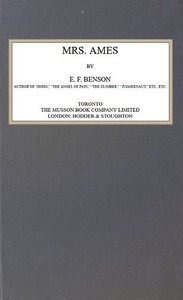
Click "Read now" to open in our Reader with AI features.
Community Discussions
Join the conversation about this book
Discussions
0 discussions
No discussions yet
Be the first to start a discussion about this book!
Sign up to start the discussionAI-Powered Insights
A clearer way to understand Mrs. Ames through themes, characters, and key ideas
This reading guide highlights what stands out in Mrs. Ames through 4 core themes, 3 character profiles. It is meant to help readers decide whether the book fits their taste and deepen the reading once they begin.
About this book
A quick AI guide to “Mrs. Ames”
Get the shape of the book before you commit: what it is about, what mood it carries, and what ideas readers tend to stay with afterward.
What the book is doing
E. F. Benson's "Mrs. Ames" delves into the intricate social fabric of the early 20th-century English small town of Riseborough, centering on the titular character's navigation of its rigid customs and subtle power plays. The novel meticulously portrays the lives of its middle-class residents, highlighting the pervasive influence of gossip, hospitality, and social status on daily interactions. Through detailed character studies and social events like dinner parties, Benson explores the delicate balance between societal expectations and individual desires. The narrative often finds humor and subtle critique in the seemingly trivial yet deeply significant concerns of neighborhood relationships and reputation, offering a keen insight into a bygone era's social anxieties and amusements.
Key Themes
Social Status and Hierarchy
The novel meticulously explores the rigid social hierarchy within Riseborough, where one's position is dictated not just by wealth but by adherence to unspoken rules, strategic friendships, and successful navigation of social events. Every interaction, from dinner invitations to casual calls, is charged with significance regarding one's standing.
Gossip and Reputation
Gossip serves as the primary engine of social control and information dissemination in Riseborough. Reputations are fragile and constantly under scrutiny, built and dismantled through whispers, veiled comments, and the strategic sharing of perceived 'facts.' The novel illustrates how gossip can be both a destructive force and a vital, if insidious, form of community cohesion.
“"In Riseborough, a slighted breakfast was not merely a culinary misstep; it was a breach in the delicate fabric of social understanding."”
How does Benson use seemingly trivial events (like a breakfast complaint) to reveal deeper social anxieties and power dynamics in Riseborough?
See chapter-by-chapter takeaways, deeper character arcs, and a fuller literary analysis built around this book.
Unlock full AI analysis for “Mrs. Ames”
Chapter breakdowns, character deep-dives, and thematic analysis — all in one place.
Reader Reviews
See what others are saying
Reviews
Overall Rating
Based on community ratings
No reviews yet
Be the first to review this book!
Readers Also Enjoyed
Discover more books similar to Mrs. Ames