
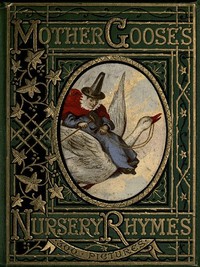
Mother Goose's Nursery Rhymes: A Collection of Alphabets, Rhymes, Tales, and Jingles
Written by Unknown author
Chaptra reads alongside you — AI insights, chapter breakdowns and reader discussions for every book. Join free
About this book
Reading guide
Themes, characters and key ideas in Mother Goose's Nursery Rhymes: A Collection of Alphabets, Rhymes, Tales, and Jingles, written by Chaptra AI.
- about 8 hours
- beginner
- whimsical
- educational
- nostalgic
Mother Goose's Nursery Rhymes is a timeless and foundational collection of traditional English-language rhymes, jingles, and short tales, compiled and attributed to the legendary figure of Mother Goose. Far from a single narrative, it serves as an anthology that introduces children to language, rhythm, basic concepts, and cultural traditions through memorable verse. Its enduring legacy lies in its role as a primary gateway to literature, fostering imagination and linguistic development across generations. The collection encapsulates a diverse array of topics, from simple observations of daily life and nature to whimsical fables and lessons in rudimentary morality.
“Humpty Dumpty sat on a wall, Humpty Dumpty had a great fall.”
Key themes
- Language and Learning
- Many rhymes are explicitly designed to teach basic concepts like the alphabet, numbers, colors, and the sounds of animals. Beyond explicit instruction, the very structure of the rhymes—their rhythm, rhyme scheme, and repetition—is foundational for language acquisition, phonetic awareness, and early literacy. They introduce children to the music and patterns of language.
- Everyday Life and Domesticity
- A significant portion of the rhymes depicts scenes from daily life, household chores, simple routines, and common activities. This grounds the fantastical elements in relatable experiences, making the world of the rhymes accessible and familiar to children. It provides a glimpse into historical domestic practices and social customs.
- Nature and Animals
- The natural world and its creatures are central to many rhymes, from farm animals and pets to celestial bodies and weather phenomena. This theme fosters an early connection with the environment, teaches animal names and sounds, and often imbues animals with human-like qualities or uses them to illustrate simple concepts.
Worth discussing
How do nursery rhymes contribute to early childhood development and language acquisition?
Chapter-by-chapter breakdowns, character arcs and the full thematic analysis come with a free account.
Discussions
No one has started one yet
Questions this book opens up
No discussions yet
Be the first to start a discussion about this book!
Sign up to start the discussionReviews
No reviews yet
Be the first to review this book!