
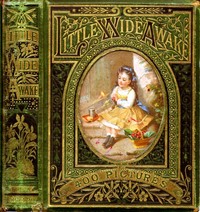
Little Wideawake: A story book for little children
Written by Sale Barker
Chaptra reads alongside you — AI insights, chapter breakdowns and reader discussions for every book. Join free
About this book
Read it with a club
Chaptra's poetry and plays clubs — small groups reading the same books and talking as they go.


Shakespeare Out Loud
Poetry and plays
- 4 members
- 4 discussions
- Active 2d ago
Plays are scripts, not novels. We read them aloud, in parts, and it changes everything. This is a Chaptra house club — set up and moderated by us to get the conversation going. Open to everyone; jump in anywhere.
Read Little Wideawake: A story book for little children alongside people who are reading it too.
Chaptra Prime — paid clubs, every club feature, and unlimited reading support, for $5 a month or $60 once.
See PrimeReading guide
Themes, characters and key ideas in Little Wideawake: A story book for little children, written by Chaptra AI.
- about 3 hours
- beginner
- uplifting
- whimsical
- innocent
Mrs. Sale Barker's "Little Wideawake" is a charming late 19th-century children's storybook that captures the essence of youthful adventure and imagination. Through the escapades of characters like the spirited Rosie and her brother Frank, and the imaginative Maurice, the narrative explores themes of childhood innocence, the bonds of friendship, and the boundless wonders of play. The book skillfully blends moments of playful mischief with underlying notes of gentle danger and the responsibility of care, as seen through the eyes of a watchful narrator. It promises readers a delightful journey into a bygone era of childhood, filled with whimsical tales and heartwarming encounters that celebrate the simple joys of growing up.
“"Oh, what a grand snowball, Frank! We shall surely catch Charlie with this one!"”
Key themes
- Childhood Innocence
- This theme is central to the book, portraying childhood as a time of unblemished joy, simple pleasures, and boundless energy. It celebrates the purity and unburdened nature of young minds before the complexities of adulthood. The children's activities, from snowball fights to imaginative play, are presented through a lens of unadulterated delight and wonder.
- Imagination and Play
- The book vividly illustrates the transformative power of a child's imagination, where ordinary objects become vessels for extraordinary adventures. It champions play not just as entertainment, but as a crucial means through which children explore, understand, and interact with their world, fostering creativity and a sense of wonder.
- Friendship and Sibling Bonds
- The narrative frequently emphasizes the warmth and importance of relationships among children, particularly between siblings. It portrays the shared joy, mischief, and anticipation that bind young characters together, suggesting that these early connections are fundamental to a child's happiness and social development.
Worth discussing
How does Mrs. Sale Barker portray the concept of 'childhood innocence' in the late 19th century, and how does this compare to modern views of childhood?
Chapter-by-chapter breakdowns, character arcs and the full thematic analysis come with a free account.
Discussions
No one has started one yet
Questions this book opens up
No discussions yet
Be the first to start a discussion about this book!
Sign up to start the discussionReviews
No reviews yet
Be the first to review this book!