
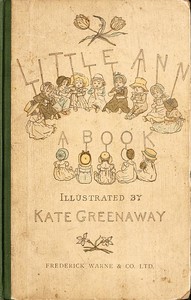
Little Ann, and Other Poems
Written by Jane Taylor,Ann Taylor
Chaptra reads alongside you — AI insights, chapter breakdowns and reader discussions for every book. Join free
About this book
Reading guide
Themes, characters and key ideas in Little Ann, and Other Poems, written by Chaptra AI.
- about 3 hours
- beginner
- didactic
- charming
- innocent
"Little Ann, and Other Poems" by Jane and Ann Taylor is a seminal collection of early 19th-century children's poetry, deeply rooted in the moral and educational values of Regency England. Through engaging and accessible verse, the book aims to cultivate character development in young readers, imparting crucial lessons on virtues such as kindness, honesty, gratitude, and responsibility. Each poem presents relatable scenarios involving children, often highlighting moral dilemmas and the direct consequences of their actions or inactions. The collection serves as a delightful and instructive guide, reflecting a period where literature was consciously employed as a tool for ethical upbringing and social conditioning.
“Twinkle, twinkle, little star, How I wonder what you are!”
Key themes
- Moral Instruction and Didacticism
- This is the overarching theme, as the primary purpose of the collection is to teach children ethical behavior and virtues. Every poem is crafted with a clear moral lesson, directly addressing the young reader's character development.
- Consequences of Actions
- Almost every poem in the collection serves to illustrate the direct link between a child's actions and their subsequent outcomes, whether positive or negative. This theme reinforces personal responsibility and helps children understand cause and effect in a moral context.
- Kindness, Empathy, and Gratitude
- The poems frequently emphasize the importance of understanding and sharing the feelings of others (empathy), acting with compassion (kindness), and appreciating one's own blessings (gratitude). These virtues are presented as foundational for good character and societal harmony.
Worth discussing
How do the Taylors use simple language and rhyme to make complex moral lessons accessible to children?
Chapter-by-chapter breakdowns, character arcs and the full thematic analysis come with a free account.
Discussions
No one has started one yet
Questions this book opens up
No discussions yet
Be the first to start a discussion about this book!
Sign up to start the discussionReviews
No reviews yet
Be the first to review this book!