
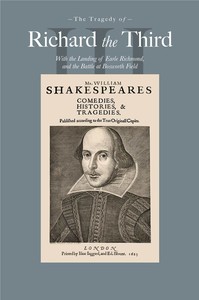
King Richard III
Written by William Shakespeare
Chaptra reads alongside you — AI insights, chapter breakdowns and reader discussions for every book. Join free
About this book
Reading guide
Themes, characters and key ideas in King Richard III, written by Chaptra AI.
- about 9 hours
- advanced
- dark
- manipulative
- tragic
William Shakespeare's "King Richard III" chronicles the ruthless ascent and eventual downfall of Richard, Duke of Gloucester, who manipulates and murders his way to the English throne amidst the turbulent aftermath of the Wars of the Roses. Driven by a profound sense of physical deformity and a burning ambition, Richard employs cunning rhetoric, feigned piety, and brutal violence to eliminate all obstacles, including his own family. The play masterfully portrays him as a Machiavellian villain, reveling in his own villainy and breaking the fourth wall to confide in the audience. Ultimately, his reign of terror is met with divine retribution and the rise of Henry Tudor, culminating in a climactic battle that restores order and justice to England.
“Now is the winter of our discontent / Made glorious summer by this sun of York.”
Key themes
- Ambition and the Corrupting Nature of Power
- The play is a profound study of unchecked ambition, epitomized by Richard's relentless pursuit of the crown. It demonstrates how the desire for power can lead to moral depravity, isolating the individual and corrupting the very fabric of society. Richard's journey illustrates that power, when sought without ethical boundaries, ultimately consumes the seeker.
- Villainy and Moral Depravity
- Richard III is Shakespeare's archetypal villain, reveling in his own wickedness. The play delves into the psychology of evil, presenting a character who is not merely misguided but actively chooses depravity. It explores the depths of human cruelty and the conscious rejection of moral norms, often asking the audience to confront the unsettling allure of such a character.
- Appearance vs. Reality / Deception
- Richard is a master of dissimulation, skillfully presenting a false persona of piety, loyalty, and humility to mask his true, murderous intentions. The play highlights how easily people can be fooled by outward appearances and persuasive rhetoric, leading to tragic consequences. This theme underscores the dangers of naiveté and the power of manipulative communication.
Worth discussing
To what extent is Richard's villainy a product of his physical deformity and social alienation, versus a deliberate choice?
Chapter-by-chapter breakdowns, character arcs and the full thematic analysis come with a free account.
Discussions
No one has started one yet
Questions this book opens up
No discussions yet
Be the first to start a discussion about this book!
Sign up to start the discussionReviews
No reviews yet
Be the first to review this book!