
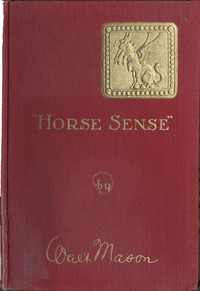
"Horse Sense" in Verses Tense
Written by Walt Mason
Chaptra reads alongside you — AI insights, chapter breakdowns and reader discussions for every book. Join free
About this book
Reading guide
Themes, characters and key ideas in "Horse Sense" in Verses Tense, written by Chaptra AI.
- about 8 hours
- intermediate
- humorous
- satirical
- thought-provoking
Walt Mason's "Horse Sense in Verses Tense" is a delightful collection of early 20th-century humorous and satirical poetry. Through accessible verse, Mason offers keen observations on human nature, societal conventions, and the often-overlooked ironies of daily existence. The poems explore themes ranging from the futility of certain human endeavors to the quiet dignity of hard work amidst indifference, always with a light-hearted yet thought-provoking tone. Mason masterfully blends humor with poignant insights, inviting readers to reflect on the essence of happiness and the small foibles that define us. It's a charming and insightful read for those who appreciate wit and wisdom woven into poetic form.
“"The Clucking Hen, she scratches hard, for grain she'll never find; A lesson there for human kind, with busy, empty mind."”
Key themes
- Human Nature and Foibles
- Mason consistently explores the inherent quirks, inconsistencies, and often self-defeating behaviors of humanity. He uses humor and gentle satire to highlight common flaws, such as vanity, indifference, misplaced priorities, and the tendency to overlook simple truths in pursuit of complex illusions. This theme is central to understanding the 'horse sense' Mason wishes to impart.
- Societal Norms and Critique
- The collection offers a subtle yet pointed critique of early 20th-century societal expectations, values, and the general indifference prevalent in urban life. Mason often contrasts the idealized image of society with the practical realities and struggles of its members, questioning the true measure of success or happiness within these structures.
- The Search for Happiness and Meaning
- Beneath the humor, many poems explore the elusive nature of happiness and the various ways humans attempt to find meaning in their lives. Mason often suggests that true contentment lies not in grand achievements or material wealth, but in simpler things, hard work, genuine kindness, and a realistic perspective on life's challenges.
Worth discussing
How does Mason use humor and satire to deliver serious social commentary? Provide examples.
Chapter-by-chapter breakdowns, character arcs and the full thematic analysis come with a free account.
Discussions
No one has started one yet
Questions this book opens up
No discussions yet
Be the first to start a discussion about this book!
Sign up to start the discussionReviews
No reviews yet
Be the first to review this book!