
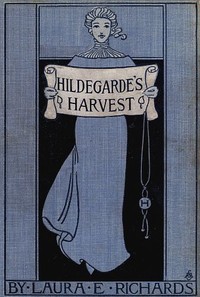
Hildegarde's Harvest
Written by Laura Elizabeth Howe Richards
Chaptra reads alongside you — AI insights, chapter breakdowns and reader discussions for every book. Join free
About this book
Reading guide
Themes, characters and key ideas in Hildegarde's Harvest, written by Chaptra AI.
- about 7 hours
- intermediate
- uplifting
- wholesome
- charming
Laura Elizabeth Howe Richards' "Hildegarde's Harvest" is a charming late 19th-century novel, part of the "Queen Hildegarde" series, that follows the delightful adventures and personal growth of its protagonist, Hildegarde Grahame. The story emphasizes themes of enduring friendship, the simple joys found in nature and daily life, and the spirit of generosity. Beginning with Hildegarde reflecting on cherished memories and receiving heartfelt letters from friends, the narrative unfolds through her musings about life's pleasures and her desire to create meaningful gifts for the upcoming Christmas season. It offers readers a wholesome and heartwarming glimpse into the world of a spirited young girl navigating her social connections and personal development.
“"The crisp autumn air held whispers of old memories and promises of new joys, a perfect accompaniment to the rustle of fallen leaves."”
Key themes
- Friendship and Community
- This theme is central to the novel, explored through Hildegarde's fond memories and the letters she receives from her friends. It emphasizes the warmth, support, and enduring nature of human connections, highlighting how these relationships enrich one's life and contribute to personal happiness.
- Personal Growth and Maturation
- As part of a series aimed at young girls, the novel implicitly focuses on Hildegarde's journey of self-discovery and emotional development. Her musings and thoughtful intentions suggest a character who is continually learning to navigate her world with grace, empathy, and a developing sense of purpose.
- Generosity and Thoughtfulness
- This theme is explicitly introduced through Hildegarde's desire to create 'heartfelt gifts' for her loved ones for Christmas. It underscores the value of selfless giving, the importance of intention over material worth, and the joy derived from making others happy through thoughtful gestures.
Worth discussing
How does Hildegarde's appreciation for nature reflect her overall character and outlook on life?
Chapter-by-chapter breakdowns, character arcs and the full thematic analysis come with a free account.
Discussions
No one has started one yet
Questions this book opens up
No discussions yet
Be the first to start a discussion about this book!
Sign up to start the discussionReviews
No reviews yet
Be the first to review this book!