
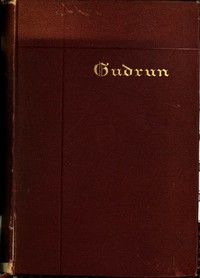
Gudrun: A Mediaeval Epic
Written by Unknown author
Chaptra reads alongside you — AI insights, chapter breakdowns and reader discussions for every book. Join free
About this book
Reading guide
Themes, characters and key ideas in Gudrun: A Mediaeval Epic, written by Chaptra AI.
- about 18 hours
- advanced
- epic
- heroic
- tragic
Gudrun: A Mediaeval Epic is a heroic poem from the German Middle Ages, often considered the 'feminine counterpart' to the Nibelungenlied. It chronicles the abduction and tribulations of Princess Gudrun, who endures over a decade of forced servitude and psychological torment rather than betray her betrothed, Herwig, or renounce her noble heritage. The epic explores themes of unwavering loyalty, female resilience, honor, and the eventual triumph of justice and revenge against her captors. Through Gudrun's steadfastness and the eventual intervention of her family, the narrative culminates in a dramatic rescue and a complex resolution involving both reconciliation and retribution.
“Though my body be broken, my spirit remains free.”
Key themes
- Loyalty and Fidelity
- This is the central theme, exemplified by Gudrun's unwavering faithfulness to Herwig despite over a decade of torment. It extends to the loyalty of Herwig, Ortwin, and their allies in their long and arduous quest to rescue her, and the loyalty of Gudrun's maidens who suffer alongside her. It explores the nature of vows, familial bonds, and personal commitment in the face of immense pressure.
- Female Resilience and Agency
- Gudrun stands as a powerful symbol of female strength, not through physical combat, but through her unyielding will and moral fortitude. Despite being a victim of abduction and abuse, she actively resists her captors, maintaining her identity and honor, which is a rare portrayal for women in medieval epics.
- Revenge and Justice
- The epic is largely driven by the pursuit of revenge for Gudrun's abduction and Hetel's death. The concept of justice is intricately tied to honor and the restoration of familial and political order, often necessitating violent retribution. However, it also explores the complexities of revenge, as it eventually leads to strategic alliances.
Worth discussing
How does Gudrun's heroism differ from that of male heroes in other medieval epics? What does this say about the epic's unique perspective?
Chapter-by-chapter breakdowns, character arcs and the full thematic analysis come with a free account.
Discussions
No one has started one yet
Questions this book opens up
No discussions yet
Be the first to start a discussion about this book!
Sign up to start the discussionReviews
No reviews yet
Be the first to review this book!