
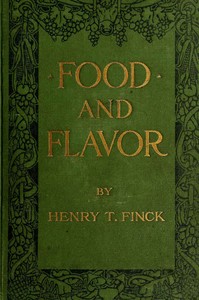
Food and Flavor: A Gastronomic Guide to Health and Good Living
Written by Henry T. Finck
Chaptra reads alongside you — AI insights, chapter breakdowns and reader discussions for every book. Join free
About this book
Reading guide
Themes, characters and key ideas in Food and Flavor: A Gastronomic Guide to Health and Good Living, written by Chaptra AI.
- about 9 hours
- intermediate
- informative
- critical
- advocative
Henry T. Finck's "Food and Flavor" is an early 20th-century gastronomic guide that critically examines the state of American cuisine, advocating for the paramount importance of flavor not merely for enjoyment but as a cornerstone of health and well-being. Finck contrasts the often bland and poorly prepared food in the United States with the rich culinary traditions of Europe, particularly highlighting the lack of appreciation for quality ingredients and skilled cooking in America. Through anecdotes and cultural comparisons, he aims to enlighten readers about the intrinsic link between delicious, thoughtfully prepared food and overall vitality. The book serves as a call to action, urging Americans to cultivate a more sophisticated palate and demand better culinary standards to improve both their dining experiences and their health.
“The American palate, alas, is too often a stranger to the true delights of flavor, content with mere sustenance where pleasure and health should intertwine.”
Key themes
- The Primacy of Flavor
- Finck's core argument is that flavor is not a mere sensory indulgence but a fundamental component of good eating, essential for stimulating digestion, enhancing health, and enriching life. He posits that a lack of flavor contributes to poor health and a diminished quality of life, advocating for its recognition as a vital element in all culinary endeavors.
- Critique of American Culinary Culture
- A significant portion of the book is dedicated to a sharp, often scathing, critique of the prevailing culinary practices in the United States during the early 20th century. Finck highlights issues such as the scarcity of skilled cooks, the preference for quantity over quality, the rise of processed foods, and a general societal indifference to the art of cooking and eating.
- Food, Health, and Well-being
- Finck meticulously argues for a direct and profound link between the quality and flavor of food and an individual's physical and mental health. He suggests that enjoying flavorful, well-prepared meals contributes not only to better digestion and nutrition but also to overall happiness and vitality, making culinary pleasure a crucial aspect of holistic well-being.
Worth discussing
How does Finck's critique of early 20th-century American cuisine resonate with or differ from contemporary discussions about food quality and eating habits?
Chapter-by-chapter breakdowns, character arcs and the full thematic analysis come with a free account.
Discussions
No one has started one yet
Questions this book opens up
No discussions yet
Be the first to start a discussion about this book!
Sign up to start the discussionReviews
No reviews yet
Be the first to review this book!