
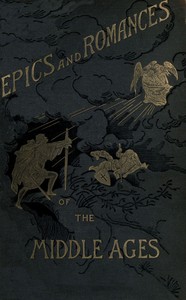
Epics and Romances of the Middle Ages
Written by Wilhelm Wägner
Chaptra reads alongside you — AI insights, chapter breakdowns and reader discussions for every book. Join free
About this book
Reading guide
Themes, characters and key ideas in Epics and Romances of the Middle Ages, written by Chaptra AI.
- about 15 hours
- intermediate
- epic
- heroic
- legendary
Wilhelm Wägner's "Epics and Romances of the Middle Ages" is a seminal collection that adapts and retells legendary tales from the Teutonic Middle Ages, including the Nibelung, Carolingian, and Arthurian cycles. Published in the late 19th century, it serves as an accessible gateway to the rich cultural heritage of medieval Europe, exploring timeless themes of valor, conflict, love, and betrayal through iconic figures like Siegfried, Gudrun, and King Arthur. The volume begins by emphasizing the enduring importance of legend in shaping cultural identity, before delving into specific narratives such as the tragic saga of Alboin and Rosamund. This compilation masterfully preserves and popularizes the archetypal struggles and heroic endeavors that define the medieval epic tradition.
“"For in the legends of old, we find not merely tales, but the very soul and memory of ages past, echoing the valor and sorrows of our ancestors."”
Key themes
- Heroism and Valor
- This theme is central to nearly every tale, exploring what constitutes a hero in medieval society. It encompasses physical prowess, courage in battle, loyalty to one's lord or people, and adherence to a code of honor. However, it also delves into the complexities of heroism, showing how valor can be intertwined with hubris or lead to tragic consequences.
- Love, Betrayal, and Revenge
- These interconnected themes form the emotional core of many tales. Love, whether romantic, familial, or loyal, often serves as a catalyst for grand actions, but its corruption through betrayal leads to devastating consequences and fuels cycles of relentless revenge, driving much of the plot and character development.
- Fate vs. Free Will
- Many narratives in the collection grapple with the tension between predetermined destiny and individual choice. Characters often find themselves caught in cycles of events that seem inevitable, suggesting a powerful, often tragic, hand of fate. Yet, their choices, even small ones, contribute to their ultimate outcomes, raising questions about agency.
Worth discussing
How do these medieval legends reflect the values and anxieties of the societies that created them?
Chapter-by-chapter breakdowns, character arcs and the full thematic analysis come with a free account.
Discussions
No one has started one yet
Questions this book opens up
No discussions yet
Be the first to start a discussion about this book!
Sign up to start the discussionReviews
No reviews yet
Be the first to review this book!