
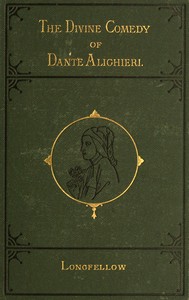
Divine Comedy, Longfellow's Translation, Complete
Written by Dante Alighieri
Chaptra reads alongside you — AI insights, chapter breakdowns and reader discussions for every book. Join free
About this book
Read it with a club
Chaptra's poetry and plays clubs — small groups reading the same books and talking as they go.


Shakespeare Out Loud
Poetry and plays
- 4 members
- 4 discussions
- Active Sep 11
Plays are scripts, not novels. We read them aloud, in parts, and it changes everything. This is a Chaptra house club — set up and moderated by us to get the conversation going. Open to everyone; jump in anywhere.
Read Divine Comedy, Longfellow's Translation, Complete alongside people who are reading it too.
Chaptra Prime — paid clubs, every club feature, and unlimited reading support, for $5 a month or $60 once.
See PrimeReading guide
Themes, characters and key ideas in Divine Comedy, Longfellow's Translation, Complete, written by Chaptra AI.
- about 40 hours
- advanced
- dark
- philosophical
- spiritual
Dante Alighieri's "Divine Comedy," in Longfellow's complete translation, is a monumental 14th-century epic poem recounting the allegorical journey of the protagonist, Dante, through the Christian afterlife. Guided initially by the Roman poet Virgil and later by Beatrice, Dante traverses Hell (Inferno), Purgatory (Purgatorio), and Paradise (Paradiso) to confront the nature of sin, experience divine justice, and ultimately seek spiritual redemption and enlightenment. The work is a profound exploration of theology, philosophy, and morality, depicting humanity's potential for both damnation and salvation. It stands as a cornerstone of Western literature, intricately weaving personal narrative with universal spiritual themes.
“Abandon all hope, ye who enter here.”
Key themes
- Divine Justice and Retribution
- The poem meticulously details God's perfect justice, particularly through the concept of 'contrapasso' in the Inferno, where punishments are tailored to the sins committed. In Purgatorio, justice is seen as a corrective, cleansing process, while in Paradiso, it manifests as perfect harmony and reward for virtue. This theme explores the moral order of the universe and the consequences of human actions.
- Redemption and Salvation
- The entire "Divine Comedy" is a narrative of redemption, charting Dante's personal journey from a state of sin and spiritual lostness to ultimate salvation and union with God. It explores the process of purification, repentance, and the role of divine grace in achieving spiritual rebirth.
- Love (Human and Divine)
- Love is a central driving force and a multifaceted theme. It encompasses carnal love (often punished in Hell), purifying love (in Purgatory), and ultimately, the transformative, unifying divine love that governs the universe and leads to salvation (in Paradiso). Beatrice serves as the embodiment of divine love.
Worth discussing
How does Dante's concept of divine justice, particularly the 'contrapasso,' reflect or challenge modern understandings of punishment and morality?
Chapter-by-chapter breakdowns, character arcs and the full thematic analysis come with a free account.
Discussions
No one has started one yet
Questions this book opens up
No discussions yet
Be the first to start a discussion about this book!
Sign up to start the discussionReviews
No reviews yet
Be the first to review this book!